SOLDIERS OF FORTUNE MERCENARY WARS |
www.mercenary-wars.net
|
|
|
Congo 1960/68
Shortly after the chaotic dissolution of the Belgian Congo, President Moise Tshombe proclaimed Katanga, one of the territory's wealthiest provinces which had accounted for nearly fifty per cent of Congolese revenues, an independent and autonomous nation. According to Tshombe and his officials at the time, this action was taken to secede from chaos and because the current regime under Prime Minister Lumumba was following a Communist line. The Katangan government went on to appeal for Belgian military aid to support their unilateral declaration of independence. Tshome was also seeking support and recognition from the United S Shortly after the chaotic dissolution of the Belgian Congo, President Moise Tshombe proclaimed Katanga, one of the territory's wealthiest provinces which had accounted for nearly fifty per cent of Congolese revenues, an independent and autonomous nation. According to Tshombe and his officials at the time, this action was taken to secede from chaos and because the current regime under Prime Minister Lumumba was following a Communist line. The Katangan government went on to appeal for Belgian military aid to support their unilateral declaration of independence. Tshome was also seeking support and recognition from the United States for his cause, as he felt that they shared a common concern for possible exploitation of the Congo Crisis by the Soviet Union.
A common myth in 1961 among the United Nations in general was that Katanga was an expression of indigenous nationalist sentiment. However, this was true only in part. The political leaders of the northern districts in the province were actively opposed to independence, and the Katangan population never directly consulted on the matter. In reality, secession proved to be a strategy designed to preserve the comparative wealth of Katanga and stability of the region in general. Maintaining support of the European-descended white settler elite was also a priority of President Tshombe, as they possessed much-needed professional skills and an exodus of such people in the face of anarchy or Communist rule would likely prove fatal to their homeland's industry.
Within a week of Katanga's UDI, Prime Minister Lumumba sent a telegram to the Secretary-General of the UN, insisting that something be done about "Belgium's military aggression" in his country and their overt backing of Katangan secession. Lumumba solicited "urgent military assistance" due to the central government in Leopoldville's inability to maintain order in the massive country. He went on to blame post-independence Belgian intrigues for the present crisis. Inside the United Nations itself, feelings towards Katanga was generally mixed. Britain and France remained neutral, the latter quietly hostile towards the very idea of peacekeeping in Congo. The British initially provided general assistance to the UN troops who were eventually dispatched, but refused to cooperate with subsequent efforts to deal with Tshombe's rebellious regime. Portugal and the Union of South Africa were openly hostile towards the operation from its very conception, and maintained consistent opposition against any interference with the Katanga state.
A common myth in 1961 among the United Nations in general was that Katanga was an expression of indigenous nationalist sentiment. However, this was true only in part. The political leaders of the northern districts in the province were actively opposed to independence, and the Katangan population never directly consulted on the matter. In reality, secession proved to be a strategy designed to preserve the comparative wealth of Katanga and stability of the region in general. Maintaining support of the European-descended white settler elite was also a priority of President Tshombe, as they possessed much-needed professional skills and an exodus of such people in the face of anarchy or Communist rule would likely prove fatal to their homeland's industry.
Within a week of Katanga's UDI, Prime Minister Lumumba sent a telegram to the Secretary-General of the UN, insisting that something be done about "Belgium's military aggression" in his country and their overt backing of Katangan secession. Lumumba solicited "urgent military assistance" due to the central government in Leopoldville's inability to maintain order in the massive country. He went on to blame post-independence Belgian intrigues for the present crisis. Inside the United Nations itself, feelings towards Katanga was generally mixed. Britain and France remained neutral, the latter quietly hostile towards the very idea of peacekeeping in Congo. The British initially provided general assistance to the UN troops who were eventually dispatched, but refused to cooperate with subsequent efforts to deal with Tshombe's rebellious regime. Portugal and the Union of South Africa were openly hostile towards the operation from its very conception, and maintained consistent opposition against any interference with the Katanga state.
.........................................................
On 14 July 1960, in response to requests by Prime Minister Lumumba, the UN Security Council adopted Resolution 143. This called upon Belgium to remove its military personnel from the Congo, especially in the case of Katanga, and for the UN to provide 'military assistance' to the Congolese forces to allow them 'to meet fully their tasks'. Lumumba demanded that Belgium remove its troops immediately, threatening to seek help from the Soviet Union if they did not leave within two days. The UN reacted quickly and established United Nations Operation in the Congo (ONUC). The first UN troops arrived the next day but there was instant disagreement between Lumumba and the UN over the new force's mandate. Because the Congolese army had been in disarray, Lumumba wanted to use the UN peacekeepers to subdue Katanga by force. Referring to the resolution, Lumumba wrote to UN Secretary General Dag Hammarskjöld, ‘From these texts it is clear that, contrary to your personal interpretation, the UN force may be used to subdue the rebel government of Katanga.’ ONUC refused. To Hammarskjöld, the secession of Katanga was an internal Congolese matter and the UN was forbidden to intervene by Article 2 of the United Nations Charter.
Disagreements over what the UN force could and could not do continued throughout its deployment, despite the passage of two further Security Council resolutions. Passed on 22 July, Security Council Resolution 145 affirmed that Congo should be a unitary state and strengthened the call for Belgium to withdraw its forces. On 9 August, Security Council Resolution 146 mentioned Katanga for the first time, and explicitly allowed UN forces to enter Katanga whilst forbidding their use to 'intervene in or influence the outcome of any internal conflict.'
A subject of much controversy was Belgium's involvement with Katanga. Brussels had neither inspired or engineered Moise Tshombe's scheme of Katangan secession, but provided technical, financial, and military aid in order to keep Katanga stable in terms of public order and domestic security. The Belgians went on to advise the ONUC force against unnecessary interventions against the state, as it would only "risk increasing the confusion." At the same time, Pierre Wigny, the Foreign Minister, informed the United States, France, and Britain that his government was opposed to Tshombe's intrigues and was concerned that long-term separation would compromise Congo's economic vitality. Despite the fact that most of Belgium's military personnel were withdrawn from Katanga in September 1960, over two hundred stayed on, making horizontal career shifts into roles as paid mercenaries serving with the nation's Gendarmes. As late as 1963, several of these soldiers of fortune were still at large, having shed their military uniforms for civilian dress. Other notable Belgian nationals who stayed on included political advisers and some diplomatic ministers. Upon the arrival of United Nations forces in the Congo, they were opposed to allowing ONUC freedom of movement in Katanga and insisted upon obstructing the peacekeeping effort. This view was generally strengthened with President Tshombe himself as time advanced, especially with increasingly vocal demands from Leopoldville that the UN use their military advantage to forcibly remove his regime from power. The Security Council, however, only reaffirmed that the ONUC would not be party to any internal disputes but would enter Katanga to assist with keeping the peace. The first such personnel, largely Swedish forces, entered Élisabethville, the Katangan capital city, on August 12, 1960.
All of this only frustrated the Congolese government, which, on August 27, launched a poorly-organized, ill-fated, incursion into Katanga with ANC soldiers trucked into the province on a motley assortment of Soviet military vehicles. It was unclear what the subsequent rampage attempted to accomplish, but the attackers, who were busily raping and murdering their way through the countryside, were quickly driven off by the European-officered Katangan Army. This incident would only lead to the further deterioration of relations between the two governments; sporadic clashes would continue for the next two years.
Only shortly afterwards, Patrice Lumumba was replaced in a coup d'état by Joseph Mobutu. On 17 January 1961 Mobutu sent Lumumba to Élisabethville where he was tortured and executed shortly after arrival.
The United Nations Security Council met in the wake of Lumumba's death in a highly emotional atmosphere charged with anti-colonial feeling and rhetoric. On 21 February 1961 the Council adopted resolution 161, which authorised 'all appropriate measures' to 'prevent the occurrence of civil war in the Congo, including '... the use of force, if necessary, in the last resort'. This resolution demanded the expulsion from the Congo of all Belgian troops and foreign mercenaries, but did not explicitly mandate the UN to conduct offensive operations. However, it was ultimately interpreted by the local UN forces to justify military operations in ending the secession of Katanga. Despite the resolution, during the next six months the UN undertook no major military operations, concentrating instead on facilitating several rounds of political negotiations. However, many sources on location claimed that UN personnel initiated and maintained a high degree of violence and were both overtly and indirectly responsible for hundreds if not even thousands of civilian deaths.
From late 1960 onwards, Katanga was characterised by a series of clashes between pro-Tshombe loyalists and their fellow countrymen, Baluba tribesmen, whose political leaders were nominally allied to Leopoldville and opposed Katangan secession. Smaller battles were fought against ANC units attacking from other provinces, as well. Sparsely deployed and on many occasions even outgunned by both sides, UN forces had an almost hopeless task of attempting to prevent outright civil war. Anticipating the need for continued ONUC presence in the state, the Security Council authorized an increased presence in Élisabethville. By mid 1961, however, presidential security forces had killed almost 7,000 Balubas. Factional strife also began to engulf the struggling regime. Increased numbers of peacekeepers only enraged the Baluba people, who viewed the United Nations as an unwanted intruder and began attacking both Katangan and UN soldiers with little discrimination.
In February 1961, attempting to bolster his position in Katanga, Moise Tshombe began importing more and more foreign mercenaries from neighboring states to assist his Gendarmes. The "Mercenary Problem", as the international community termed it, was a major concern of the ONUC. The Katangan Army was already staffed by Belgian officers, and white volunteers of Belgian extract constituted about one hundred and seventeen men under Tshombe's direction. Although from January to February 1961, gestures were made to remove these 'illegal combatants' from the Congo, their places were quickly taken by a sizable force of close to five hundred British, Rhodesian, French, and South African irregulars. Many of them were given command assignments in the Gendarmes, while others formed a pro-Tshombe unit known as the "International Company", composed chiefly of white South African fighters.
Especially notable among the French mercenaries were professional career soldiers who had fought in the Algerian War. Several in particular were the heads of a paracommando training program in Katanga. On March 30, one of the first public reports mentioning large contingents of foreign soldiers claimed that the mercenaries in Katanga included "Belgians, Italians, and 100 South Africans". Serious fighting soon broke out as President Tshombe began to incite both Katangan civilians and white mercenaries to attack UN forces after the ONUC dispatched elements of a nearly 5,000 man-strong Indian brigade into the capital. On April 5, 1961, the Secretary-General criticised Belgian mercenaries for their service in Katanga and condemned Tshombe for turning the Katangan public against the United Nations Force. Hostilities broke out again just three days later, when Belgian and South African Gendarmes assaulted Kabalo, a Baluba town in northern Katanga, and engaged the Ethiopian peacekeepers stationed there. In the battle that followed, at least thirty mercenaries were disarmed and captured. It was not until April 30 that the State of Katanga agreed to cease hostilities against the ONUC.
In June, President Tshombe was arrested after attending the Coquilhatville Conference of Congo Leaders by Joseph Mobutu's police, the day he was about to board a plane back to his country. He was held under house arrest and charged with inciting revolt against the Congolese government, the illegal seizure of arms and aircraft, and printing counterfeit money by issuing a Katangan currency. Tshombe subsequently signed a pledge to reunite Katanga with rest of the nation, and was released accordingly. However, by August it was clear he had no intention of implementing this agreement. Tshombe openly declared in a speech that month that he would defend Katanga's rights as a sovereign state and would do everything to maintain this status quo even in the face of all opposition.
In August and September, the UN conducted two operations to arrest and repatriate mercenary soldiers and the Belgian political advisers from Katanga by military force, deeming that such foreigners were the backbone behind the regime. The first operation was carried out by Indian UNF troops, who began rounding up mercenaries at five in the morning, culminating in the bloodless capture of nearly four hundred men. Not a single shot had been fired. Although Belgium's consul in Katanga was ordered to deport the remaining Belgian nationals, including political advisers, he countered that he could only exercise legal authority over those who were official staff affiliated with his nation's government or military.
Altogether, about three hundred of those captured were expelled from Congo, although several of the mercenaries later returned. White Katangans especially resented this action by the UN. Tshombe was taken by surprise, and tensions escalated rapidly. On September 11, the UNF further demanded that all foreigners serving as police officers in Katanga be expelled, but the president did not comply. Any chances of negotiation for the peaceful removal of remaining foreign players was quickly crushed by the revelation that some UN personnel had been planning to aid in a conspiracy to remove Tshombe from power, seize the radio station in Élisabethville, and apprehend his Gendarmes. The Katangans quickly unearthed the plot, and when Tshome confronted the UN with his charges it was revealed, much to the latter's embarrassment, that these allegations were based on fairly solid evidence. If such an incident had been allowed to take place, it would clearly have been considered a violation of the ONUC's vows to remain neutral in internal issues besides taking proper action to prevent a major conflict. The following day, hostilities reopened after some Irish soldiers protecting civilians in Jadotville were surrounded by a superior force of Gendarmes, including many Europeans. Despite suffering several attacks launched by Katanga's mercenary-piloted Air Force in support of the Gendarme unit, the troopers refused to surrender and were resupplied with fresh ammunition by UN helicopters.
No longer able to take the increasing violence in Katanga, the ONUC commanders finally agreed to a new plan which would remove the Katangan government from power. It called for UNF troops to apprehend mercenaries, seize post offices and radio stations in Élisabethville, and send a representative from the central Congolese government to take command. This attempt was not at all bloodless. It was in fact resisted by the Gendarmes and their mercenary allies. The initial UN initiative to take over the post offices was efficiently repulsed. Later that day, Katangan soldiers launched a coordinated attack on ONUC forces. An eight-day battle was waged in the city for over a week, resulting in the deaths of eleven UN personnel. One company of Irish staff, the same which had previously fought at Jadotville, were captured. Tshombe's army enjoyed unchallenged air power, and the tiny Katangan Air Force carried out successful strafing and bombing runs on UN positions entrenched in Jadotville, Élisabethville, and Kamina.
The dismal failure of the UNF could also be attributed to inferior equipment. While the Gendarmes were armed with modern Belgian rifles, heavy machine guns, mortars, and armored cars, the vast majority of UN troopers used antiquated rifles and World War II-era vehicles plated with only makeshift protection. During the fighting, the Katangan authorities offered a conditional ceasefire, which was immediately rejected by the ONUC. Eventually, it soon became clear that any objective to depose Moise Tshombe had failed. The British, Belgian, and French governments became especially critical of 'peacekeeping operations' in Congo which would involve such interference in domestic affairs. They called for an immediate ceasefire. The Soviet Union, on the other hand, protested that more force should have been used to subdue Katanga and initiate an immediate reunification with the Mobutu government.
Limited peace negotiations ensued, in the course of which, UN Secretary-General Dag Hammarskjöld died in a plane crash near Ndola, Northern Rhodesia (now Zambia).
Under UN pressure (military attacks), Tshombe later agreed to a three-stage plan from the acting Secretary General, U Thant, that would have reunited Katanga with Congo. However, this remained an agreement on paper only. The Katangan government insisted that, should the plan in full be honored by Leopoldville, Tshombe be entitled to aid in drafting a new Congolese constitution and elect his own representatives to Parliament. However, both sides began to express reservations about the terms less than a week later. The president wished that his agreement should be ratified by his national assembly before it could be considered binding; this misunderstanding quickly led to a collapse in relations with Congolese leader Cyrille Adola's regime. The frustrated United Nations went on to adopt a new plan, one that called for the adoption of a federal constitution in Congo within thirty days, an end to the illegal Katangan rebellion, the unification of currency, and the sharing of mining revenues on a fifty-fifty split between Katanga and the central government. U Thant, who was the chief architect of this proposal, also demanded that Tshombe unconditionally release all of his political prisoners. Belgium and the United States, hoping that the latter would have a positive role in reforming a unified Congo, endorsed the plan. While Cyrille Adola immediately accepted this compromise, Moise Tshombe stipulated conditions. A series of discussions hosted by the UN followed, although it failed to yield tangible results. Thant, who had become increasingly incensed by what he regarded as the Katangan state stalling for time, imposed economic sanctions. This, however, only succeeded in destroying the last hopes the Secretary-General had for a peaceful integration. On December 19, an exasperated Tshombe withdrew from ongoing negotiations in protest.
Sourse
South Kasai a province in the Congo
On 8th August 1960 the autonomous Mining State of South Kasai was proclaimed with its capital at Mbuji-Mayi (Bakwanga to day), and Albert Kalonji was named president of South Kasai. On 16th July 1960 Kalonji rejected royalty status and became Emperor Albert I.
After a bloody four month military campaign during which thousands of civilians were massacred, ANC central government troops re-conquered the region and arrested Kalonji on 30th December 1961, thus ending the South Kasai secession.
South Kasai had very few mercenaries, among them were:
GILLET. France 1960 Colonel.
JEAN. Belgium.
KIMM Jules. Belgium 1960 Lieutenant. 14th September.1960 killed in action near Luputa.
LASIMONE. France.1961 Captain.ROBERTS. John Meredith Smith/. Born 28th September 1937 in England. 24th August 1960 Captain (pay: £172 pr. month + £3 pr. day in action). 30th October 1960 arrested by UN and expelled.
VLEIGH George. Belgium. 1960 Commandant. 14th September 1960 killed in ambush near Luputa.
Copyright Frode Hansen 13th September 2012
............................................
During 1961 Moise Tshombe employed Russell Cargil to recruit volunteers from outside of Katanga to serve as a Police Force within Katanga.
The first Volunteers became known as
'Compagnie Internationale'
At one time there were 44 volunteers in this group
Photo of Russell Cargil's first group of volunteers
To enlarge click on photo repeat to shrink
Photo from Nigel Osborn and taken at Mitwaba April 1961, first batch of mercs from South Africa head to Manono.
The following is a list of these first volunteers recruited by Russell Cargil
Photos |
Name |
Date of Birth |
Place |
Country |
When |
Extra Details |
Athanasiou John |
15.04.38 |
Istiaia |
Greece |
1961 |
. |
|
Bellotto Primo |
01.01.35
|
Gorisia |
Italy
|
1961 |
. |
|
Botes Viotz Lourons |
20.02.24 |
Vlakspruit |
S. Africa |
1961 |
. |
|
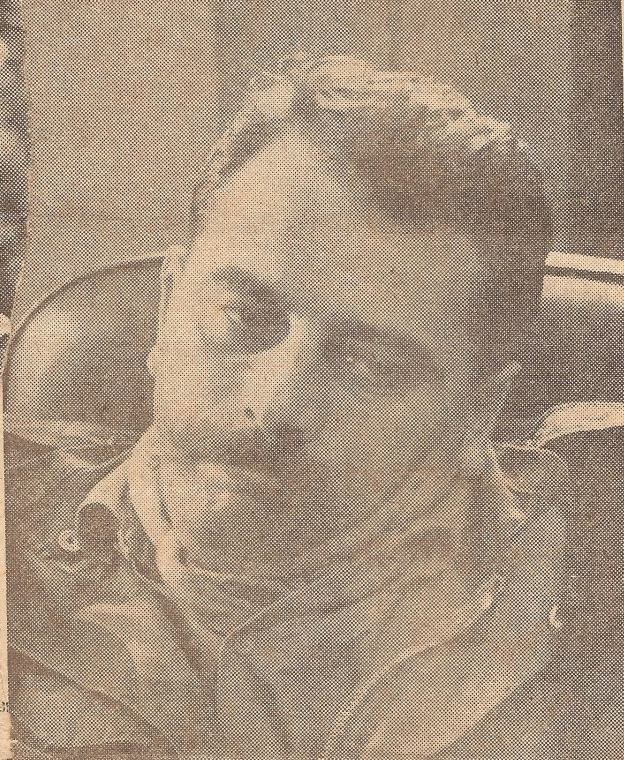 |
Browne Richard William |
21.02.26
|
Blandford |
UK
|
1961
|
Commander. Captured by UN and Expelled |
Cargil Russell |
.
|
. |
. |
1961
|
Ist Recruiter for Tshombe, and later for Mike Hoare. |
|
Carton-Barber Arthur Lindsay |
28.03.28.
|
Joburg |
S. Africa
|
1961
|
. |
|
Clark John Walter |
17.09.17 |
Durban |
S. Africa |
1961 |
. |
|
D'Annunzie Luigi |
31.10.35 |
Casalanguida |
Italy |
1961 |
. |
|
D'Oliverira |
31.12.33 |
Durban |
S.Africa |
1961 |
Known as the 'Lemon Drop Kid'. Ex Motorcycle Police Officer |
|
Dupreez Thomas Hofmeyr |
14.02.34 |
Krugoradorf |
S.Africa |
1961 |
. |
|
Fourie J. |
1965 |
|||||
Gordon Ian Graham |
10.05.33
|
Woking |
UK
|
1961
|
. |
|
 |
Grant Donald Norman |
22.04.24 |
1961 |
Brother of John |
||
Grant John Mawer |
19.07.25 |
Detroit USA |
1961 |
Brother of Donald. |
||
Hopkins Thomas Harry |
17.09.19 |
London |
UK |
1961 |
. |
|
Legg Donald Robert |
04.10.34 |
Blundol Sand |
UK |
1961 |
. |
|
MacArthur William B |
20.02.26 |
Scotland |
UK |
1961 |
. |
|
Mackintosh Derek Donald |
.19.08.32
|
Durban
|
S. Africa
|
1961
|
. |
|
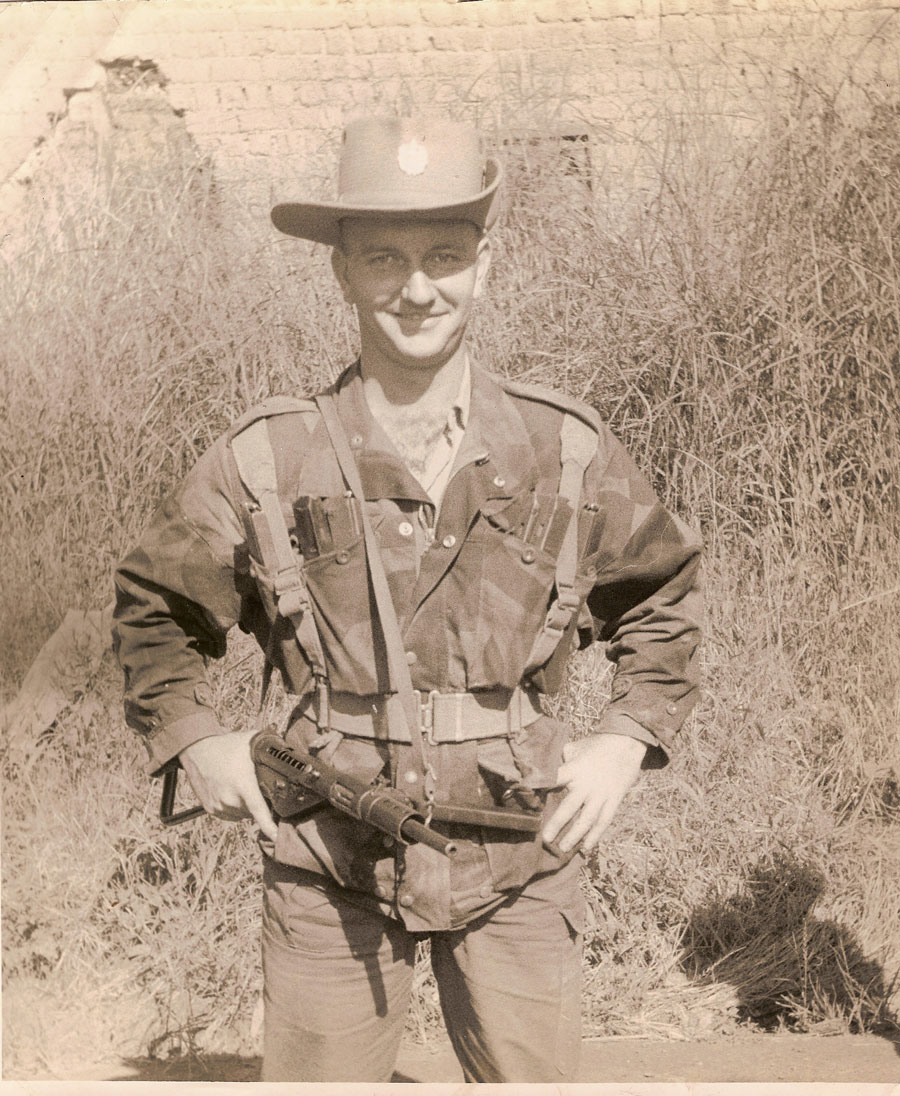 |
Osborn Nigel |
19.10.37 |
London |
UK |
1961 |
Captured by UN and Expelled. But returned later. |
Orsmund Gilbert John |
03.10.16 |
Krugersdorf |
S. Africa |
1961 |
. |
|
Quinn Nicholas Johannes |
10.10.14 |
. |
S. Africa |
1961 |
. |
|
Whitehorn Leslie Harold |
14.01.38 |
Johannesburg |
S.Africa |
1961 |
. |
|
Wood Gerald Edward |
03.07.41 |
Stockton |
UK |
1961 |
. |
|
| . |
It must be realised that this web site is dedicated to Mercenaries. However, in the Congo many fought along side Katangan citizens which is why the following list is being included.
During 1961 The Katangan Government already had a fighting unit in place known as 'Force Katangaise' 4th Commando
This unit was made up of locally recruited Citizens, Belgiums, Doctors, Pilots and other volunteers with military backgrounds from around the world.
At one time even Mike Hoare was a member.
After December 1961 4 Commando name was never used again.
Photos |
Name |
Date of Birth |
Place |
Country |
Served |
Extra Details |
Ashton Tom |
1961 |
. |
||||
Barvaux |
1961 |
Killed in 2nd Battle of Katanga |
||||
Bernstein |
1961 |
|||||
Bosquet |
1961 |
In charge of Kongola |
||||
Bond Peter |
1961 |
Wounded by the UN Ethiopians. |
||||
Butler Michael Thomas |
26.10.37 |
. |
||||
Cremer Andre |
1961 |
Hired to Assassinate UN staff |
||||
Cruz C.A. de Oliver |
Portugal |
1961 |
2nd Infantry Battalion 1961 |
|||
De-Clary Michel |
France |
1961 |
First significant battle.Captured Jadotville |
|||
Delin Joseph |
S. Africa |
1960 |
Pilot Katanga Air force |
|||
Donaldson Simon |
1961 |
Ex Guardsman, eaten by the Balubas. |
||||
Faulques Robert (Rene)
|
France |
1961 |
Command volunteers in Katanga late 1961 |
|||
Fereira It |
Portugal |
1961 |
2nd Infantry Battalion 1961 |
|||
Gyurkits Sandor |
Hungary |
1961 |
Katanga Pilot |
|||
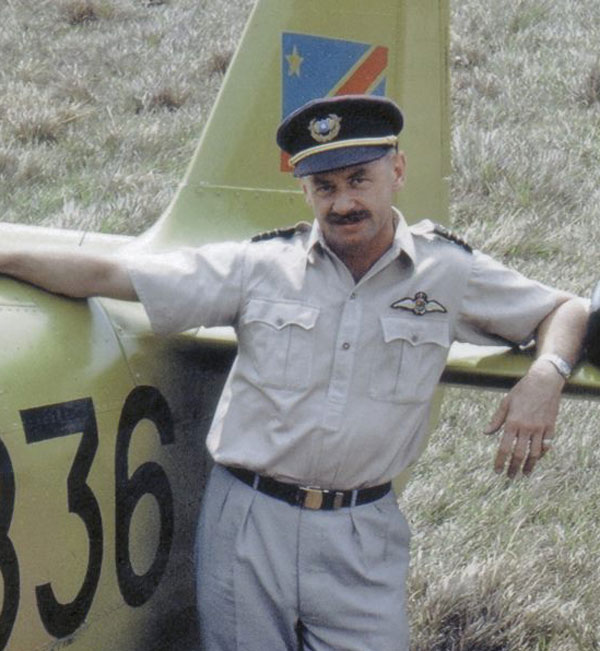 |
Hedges Jimmy |
1961 |
Ex WW2 very good Pilot. A newspaper article about Jimmy |
|||
Hoare Mike |
||||||
Huyghe Carlos |
Belgium |
1960 |
Recruiting pilots for Tshombe |
|||
Keene Alexander James |
07.08.14 |
Boksburg |
S. Africa |
1961 |
||
Kemp Johan Christo |
28.01.20 |
1961 |
||||
Koekemoer Alexander 'Cooky' |
1961 |
|||||
Koekemoer Johannes Andries |
16.09.19 |
1961 |
||||
McKay Ted |
Yorkshire |
UK |
1961 |
From Yorshire, eaten by Balubas tribes men. |
||
Mason Unwin Collyer |
22.07.35 |
1961 |
||||
Mckechnie Ewen |
1961 |
|||||
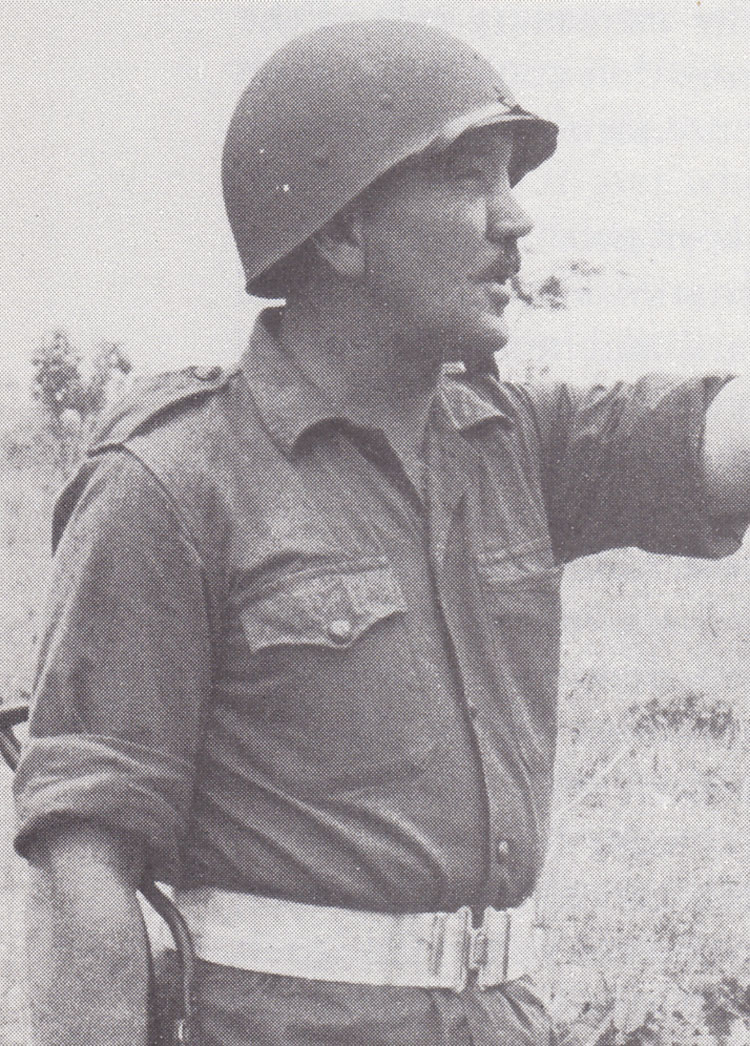 |
Oglethorpe Vic |
1960 |
||||
Naismith Jock |
1961 |
Burnt his legs on a camp stove |
||||
Nel Christian Phillipus |
01.01.17 |
Zeacrust ? |
S. Africa |
1961 |
||
Pretorius Connie |
1961 |
Wounded by the UN Ethiopians. |
||||
Prontin |
Belgium |
1961 |
Commandant Before Mike Hoare arrived |
|||
Raggazzi Mario |
23.10.35 |
Chicsa V. Malenco
|
Italy |
|||
 |
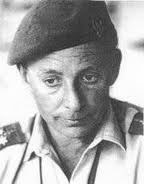
Rosez Victor E |
24.09.45 |
Dendermonde |
Belgium |
1961 |
Under
the direct orders of Gen. l Muke. In November 1964 went to Stanleyville
as a member of the Belgian Military and Technical Assistance (ATMB) |
 |
Schamme Jean |
1961 |
Farmer in Katanga later lead volunteer group |
|||
Sher Harry |
22.03.31 |
Gwelo |
Rhodesia |
1961 |
||
Stewart Jimmy |
1961 |
Wounded by the Balubas. |
||||
Trinquier Roger |
1960 |
Returned to France after the fall of the Congo |
||||
Van der Walt Phipip Stephanus |
26.06.27 |
Durban |
S. Africa |
1961 |
||
Vanewalle |
Belgium |
1961 |
Adviser to Belgian Consulate. 1964 overall Command |
|||
Vermeutyn Geordie |
1961 |
|||||
When asked to form a new Commando unit Mike Hoare choose to name it '5 Commando' to prevent confusion.
If you go to the book section of this site you will find all of Mike Hoare's books featured and at this moment in time you can get them personally signed.
The Road to Kalamata (A Mercenary's Personal Memoir). Is an account of Mike Hoare's time while with 4 Commando.
The following is a list of known volunteers who joined the 5 Commando
Later it is hoped the 5th Cdo. can be broken down into smaller units i.e. 6-9-14-51-52-53-55-57 ect. etc.
Surnane |
Date of Birth |
Place |
Country |
Served
|
Extra Details |
|
Ackerman Jack |
Durban |
S.Africa |
53 Cdo. |
|||
Agget-Griffin Neville 'Lucky' |
53 Cdo. |
|||||
Alexiou George |
Greece |
Wounded August 1964 in Albertville |
||||
Allan J. R. |
||||||
Allison T. J. |
Sgt in 'Force Oscar' during the third contract period. |
|||||
Amberleigh Frank |
1932 |
Rhodesia |
1965 |
Arrived in Albertville August 1965. Appointed Capt. 26th Sept 1965 submitted his resignation & Mike Hoare accepted |
||
Anderson B. N. |
||||||
Anderson D. A. |
||||||
Andreka Ron |
Germany |
1965 |
Sgt in 52 Cdo during 1965. 16th March 1965 killed near Noika |
|||
Augustyn L. |
||||||
Bairstow R. W. |
||||||
Bartlet B. |
1965 |
'Force Oscar' under Capt. Hugh van Oppen in December 1965 |
||||
Basson Freddie |
.
|
. |
.
|
1964
|
Sgt. in 57 Cdo. Commanded by Capt. Ian Gordon. On the 24th Nov 1964 he was killed by Vanie Rukulu. |
|
Barker T. R. |
||||||
Bayoud |
1965 |
'Force Oscar' under Capt. Hugh van Oppen in December 1965 |
||||
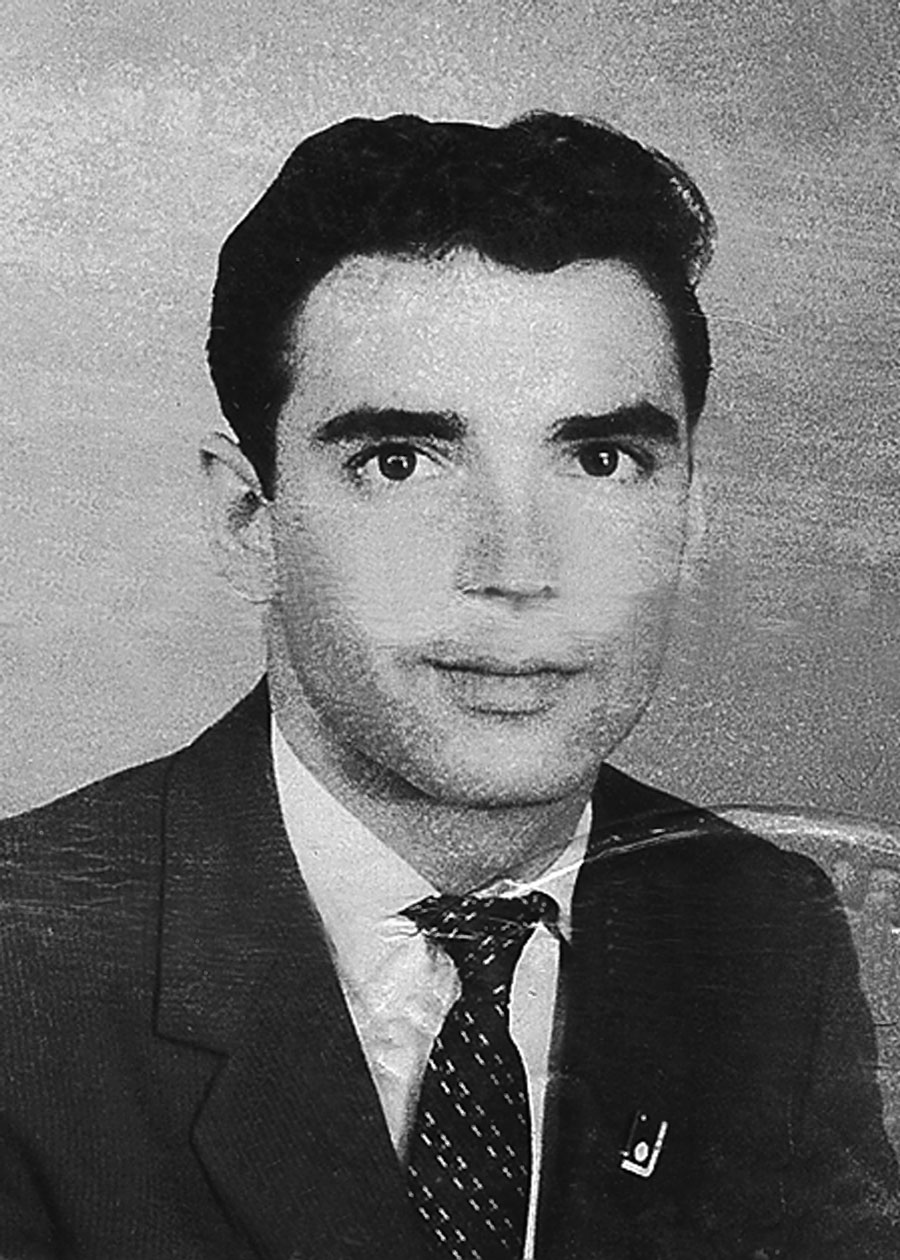 |
Beal Ivan |
53 Cdo. |
||||
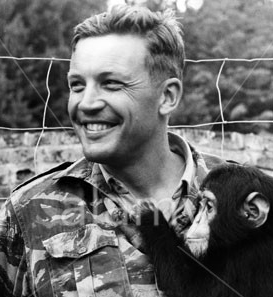 |
Beer Colin |
London |
UK |
53 Cdo. |
||
Beer Vic de |
1965 |
54 Cdo. |
||||
Begeman |
1965 |
'Force Oscar' under Capt. Hugh van Oppen in December 1965 |
||||
Bekker |
.
|
. |
.
|
1965
|
Sept 1965 volunteered under Capt. Hugh van Oppen in 'Force Oscar'. Oct
1965 Lt. 1st Dec 1965 Lt. & Chief of the 'Force Oscar'. |
|
Bell-Seyer |
53 Cdo. |
|||||
Belloto |
Italy |
Lt. 5 Cdo |
||||
Belstead |
1965 |
'Force Oscar' under Capt. Hugh van Oppen in December 1965 |
||||
Beneke P. R. |
||||||
Bester C. C. |
||||||
Bezeuidenhout Ginger |
S. Africa |
1964 |
Sept 1964 served in 53 Cdo under Lt Jack Maiden |
|||
Bima R. A. |
||||||
Bishop Jimmy |
1965 |
5 Cdo. |
||||
Blottnitz Gerd von |
1937 |
Berlin |
Germany |
1964 |
Aug 1964 Adj. 9th Sep 1964 Adj. in 52 Cdo. Jany 1965 Adj. / Head of 5 Cdo Payments Office. |
|
Borman Reiner |
1965 |
52 Cdo Mar / April killed near Niangara. |
||||
Bornman S. T. |
||||||
Borradaile Basil |
Rhodesia |
1965 |
June 1965 Lt. |
|||
Bothma F. H. |
||||||
Botuschofsky Peter |
.1943
|
Juterborg |
E.Germany
|
1964
|
Dec 1964 |
|
Bouve Raymond |
.
|
. |
Belgium.
|
1964/65
|
5 Cdo Feb 1965. Adj. 6th May. 1965 Lt. |
|
Bouwer J. Chris |
1965 |
27th Oct 1965 wounded in the arm near Fizi. |
||||
Boycott Geoff |
1964 |
5 Cdo. |
||||
Bradbury Jonny |
1964 |
5 Cdo. |
||||
Bradshaw Harry |
53 Cdo. |
|||||
Bradshaw Frank |
Rhodesia |
|||||
Brady Jim |
1965 |
Feb1965 Sgt Maj. |
||||
Braghieri Angelo |
1966 |
Sgt Maj. under Lt.-Col John Peters. |
||||
Braham Dave |
.
|
. |
Kenya
|
1964
|
. |
|
Brandis von |
1965 |
Feb 1965 Sgt. in 65 Cdo. |
||||
Branter J. |
1965 |
Sgt Maj. in 'Force Oscar" |
||||
Brenhardt Joseph |
1920 |
Germany |
1965 |
Feb 1965 Capt. / Doctor. |
||
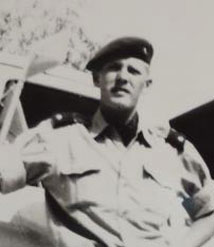
Bridge Eric |
.
|
. |
UK
|
1964
|
Lt. in 5 Cdo. 29th Aug 1965 wounded in the face / arm and evacuated. |
|
 |
1965 |
|||||
Brock Cyril |
.
|
. |
.
|
1964
|
killed in action near the border with Sudan. |
|
Bromilow |
1965 |
Driver in 'Force Oscar' under Capt. Hugh van Oppen. |
||||
Brown A. C. |
||||||
Brundyn |
1965 |
Served in 'Force Oscar' under Cap. Hugh van Oppen. |
||||
Burger S. W. L. |
.
|
. |
.
|
1965/66
|
5 Cdo. Feb 1965 RSM. 1966 Capt. |
|
Calder Head J. P. |
||||||
Calistrat Ferdinand |
.
|
Romania
|
1964
|
Romania-Stateless-then
Spain. 14th Oct 1964 Capt. / Commander of 55 Cdo. 19th Nov 1964 Capt. /
Intelligence. 21st Nov 1964 Capt. / Liasion sent to Leopoldville. Dec
1964 fired. |
||
Campbell-Smith F. |
||||||
Carta Antonio |
1928 |
Italy |
1964/65 |
5 Cdo |
||
Carter Alan |
British |
1964/65 |
57 Cdo. |
|||
Carton Barber Arthur Lindsay (Jack) |
28.03.28 |
P.Elizabeth |
S. Africa |
1964/65 |
Aug 1964 Sgt Maj. 20th Nov 1964 Lt. / Chief of 55 Cdo. Feb 1965 left the Congo. 28th May 1965 returned as a Lt. |
|
Carter Howard |
.
|
Birmingham |
UK
|
1964
|
22nd Aug 1964 Radio-operator. Feb 1965 Sgt / Signalman. Aug 1965 Lt. / Chief for signals in 5 Cdo. |
|
Cassidy Sam |
.
|
Glasgow |
Scotland
|
1964/66
|
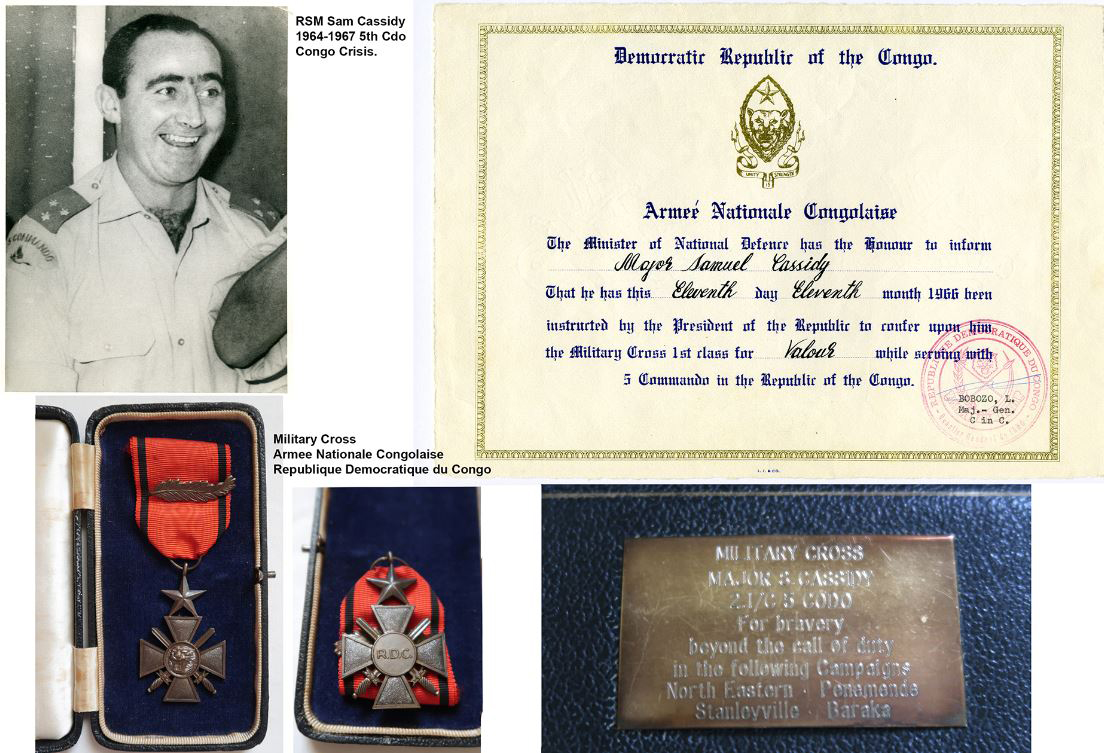
22.12.64 Sgt. Feb 1965 Sgt Major. 1966 Major and Deputy Commander in 5 Commando. 1966 recieved the R.D.C. (Republique Democratique du Congo) Military Cross, 1st Class for Valour. 1967 was arrested for the murder of Wigmo-mechanic but the charge was later dropped. |
|
Cathcart A. |
1965 |
Lt. in 'Oscar Force' under Capt. Hugh van Oppen. 27th Oct 1965 was killed near Fizi. |
||||
Cayles C. A. |
1965 |
Served
in 'Force John'. 20th Nov 1965 right foot blown off just above the
ankle and shrapnel in the left ankle and leg when a mine exploded. |
||||
Challener Davy |
.1945
|
London |
UK
|
1965
|
Served in 53 Commando. Killed in action? |
|
Chaloner Davy |
1941 |
1965 |
Feb 1965 Sgt. 21st Mar 1965 Sgt Maj. April 1965 killed near Niangara. |
|||
Chanu Claude |
.
|
. |
France
|
1964
|
22nd Aug 1964 Sgt 5th Cdo. |
|
Christie George |
1965 |
5 Cdo. |
||||
Clark Nobby |
1965 |
Feb 1965. was at Samarit. |
||||
Coetzee F. G. |
.
|
. |
S. Africa
|
1964
|
Sept 1964 in 54 Cdo. Jan 1965 killed near Niangara. |
|
Coetzee |
1945 |
Jo/Myburgh |
S. Africa |
1964/65 |
In either 55, 56 or 57 Cdo. |
|
Coleman 'Skinny' |
.
|
Rhodesia
|
1964
|
Aug 1964 Severed in 'Force Oscar' under Capt. Hugh van Oppen. |
||
Colmair |
1965 |
Sgt. / Ordnance in 'Force Oscar' under Capt. Hugh van Oppen. |
||||
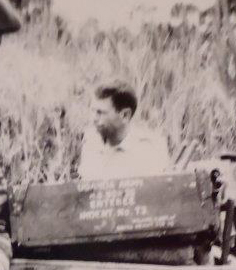 |
Columbic Ron |
.
|
. |
.
|
1965
|
Feb 1965 Sgt. July 1965 Lt. 28th Sept 1965 killed at Baraka. |
Cooper Gary |
1914
|
London |
UK
|
1964
|
Sept 1964. Dec 1964 Sgt. 14th Dec 1964 wounded. |
|
Corbett Jim |
S. Africa |
1964 |
Feb 1964. Dec 1964 Sgt. 14th Dec 1964 Wounded. |
|||
Corderg J. F. |
1964 |
|||||
Courodie |
1965 |
'Force Oscar'. |
||||
Couvelis B. |
1965 |
'Force Oscar'. |
||||
Cramer |
||||||
Cramer J. |
1964 |
Radio operator. |
||||
Cranko |
1965 |
'Force Oscar'. |
||||
Crispi |
Italy |
1964 |
22nd Aug 1964. |
|||
Crooks E. V. |
||||||
Crouse |
1965 |
'Force Oscar'. |
||||
Crumplin B. V. |
||||||
Cuccurullo S. |
||||||
Dancer |
1964 |
22nd Aug 1964. |
||||
Daniels |
.
|
. |
.
|
1964
|
Aug 1965. Radio Operator. |
|
Deiorius M. |
||||||
De-Jaeger Darby |
.
|
. |
.
|
1964
|
Sgt Maj. |
|
De-La-Michelle Chris |
.
|
. |
French
|
1964
|
14 Cdo. |
|
De Milo |
1965 |
'Force Oscar' under Capt. Hugh van Oppen. |
||||
Demetriou |
Cyprus |
1964 |
Sept 1964. |
|||
De-Mare A. W. |
1965 |
|||||
De-Perreira A. S. |
||||||
De-Laurier |
.
|
.UK
|
1965
|
Feb 1965 Capt. |
||
De-Murville Couve |
.1934
|
. |
.France
|
1964
|
Aug 1965 Capt. / Doctor. Related to a French F/ Minister. |
|
Dieterniese |
||||||
Dillon |
1965 |
'Force Oscar'. |
||||
Douglas-Holdern Norrie |
.
|
Lancashire |
British
|
1965
|
Feb 1965 Sgt. 31st May 1965 killed near Bili. |
|
Dreyer M. P. |
||||||
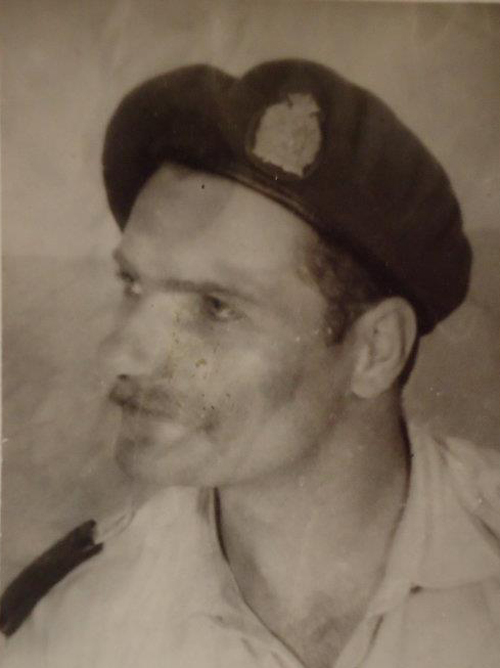 |
Dreyer Tim |
.
|
. |
.
|
1965
|
5Cdo. Feb 1965 Sgt. 14th Oct 1965 wounded near Fizi. |
Driescher M. J. |
||||||
Duffy Peter |
England |
S.Africa |
1965/67 |
|||
Duke Charles |
.
|
. |
USA
|
1964
|
Feb 1965 Sgt. Aug 1965 Lt. |
|
Du Plessis D. V. |
||||||
Du Plooy |
1964 |
21st Aug 1964. |
||||
Du Preez V. |
1965 |
|||||
Duvenhage D. E. |
||||||
Dyk Gary van |
S. Africa |
1966/67 |
5 Cdo. |
|||
Dyson Barry |
.
|
. |
.
|
1965
|
Feb 1965. 2nd June 1965 killed near Likati. |
|
Eaves A. |
||||||
Ellis G. L. |
.
|
. |
.
|
1964
|
28th Sept 1965 killed in action at Baraka |
|
Ellis Francis |
1965 |
Feb 1965 at Samarit. |
||||
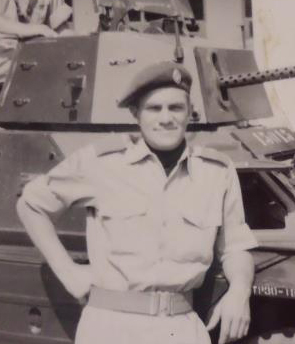 |
Elson Billy |
1965 |
5Cdo. |
|||
Engelbrecht G. J. |
||||||
Engelbrech W. |
||||||
Erasmus H. G. 'Johnny' |
1965 |
Sept 1965 Sgt in 'Force Alpha' under Maj. Alastair Wicks. Oct 1965 2/Lt. |
||||
Eriksen |
.
|
. |
Denmark ?.
|
1964
|
Mike Hoare’s personal runner |
|
Etheridge Eddie |
English |
53 Cdo. Killed taking Bunia |
||||
Evans |
.
|
. |
..
|
1964
|
As a Medic |
|
Eybers H. |
||||||
Eysse van |
1965 |
In 'Force Oscar' under Capt. Hugh van Oppen. |
||||
Fabri |
.
|
. |
Italy.
|
1964
|
Sept 1964 in 57 Cdo under Capt. Ian Gordon. |
|
Famy H. |
||||||
Feltrin E. |
||||||
Ferreira A. |
||||||
Fielding H. |
1965 |
Lt. Chief in 51 Cdo. |
||||
Fletcher I. J. |
||||||
Fletcher M. |
1965 |
|||||
Flemming John |
.
|
. |
.
|
1965
|
Feb 1965 Capt. / Doctor. |
|
Florence |
Australia |
1964 |
Lt. |
|||
Flynn P. |
||||||
Foley R. J. |
||||||
Foley J.P. |
||||||
Ford J. |
||||||
Forsbey |
1964 |
Sept 1964 2/Lt. / Chief for 54 Cdo. 26th Dec 1964 Mike Hoare removes Forsbrey from the post of Commander of 54 Cdo. |
||||
Franklin |
.
|
. |
.
|
.1967
|
Sgt. under Lt. Col John Peters. |
|
Gaffenka |
.
|
. |
German
|
1965
|
Feb 1965. Sgt. / Deputy in 52 Cdo. |
|
Garoflette G. J. |
1965 |
27th Oct 1965 with 'Force Oscar' under Capt. Hugh van Oppen. |
||||
Gay Alexander |
1940 |
Scotland |
1964/65 |
57 Cdo. |
||
Gell Quinton |
1965 |
In Force Oscar. |
||||
Germani HansI |
.
|
. |
.
|
1964
|
Doctor. Served under Mike Hoare & Protin. |
|
Gillies A. |
||||||
Glyn Brian |
.
|
. |
.
|
1964
|
Killed only there for 7 days. |
|
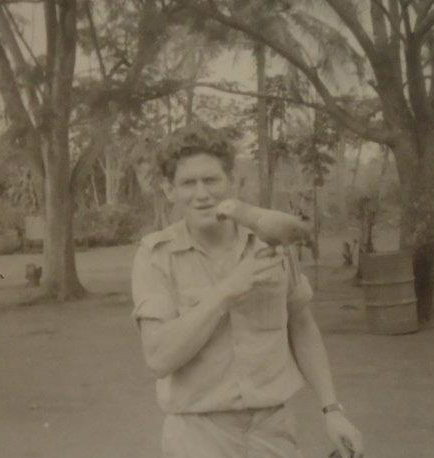 |
Godfrey Ginger |
1965 |
5 Cdo. |
|||
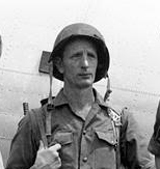
Gordon Ian Graham |
10.05. 33 |
Woking |
UK |
1964 |
2nd
Sept 1964 Capt. / Chief of 57 Cdo. 26th Dec 1965 Maj. / Chief 5 Cdo
when Mike Hoare went to South Africa. 16th Jan 1965 Maj. for 'the old 5
Cdo". When Lt. Col Hoare returned, Ian Gordon left the Congo. |
|
Gough |
1965 |
Served with 'Force Oscar' under Capt. Hugh van Oppen. |
||||
Goulay |
.
|
Scotland
|
1965.
|
Feb 1965 Sgt and Mike Hoares bodyguard. |
||
Grant Donald Norman |
22.04.24 |
Scotland |
1964/65 |
Sgt. in 5 Cdo. | ||
Green I. S. |
1964 |
Sept 1964. |
||||
Greening M. |
||||||
Gribbon |
1966 |
Sept 1965. Served with 'Force Oscar' under Capt. Hugh van Oppen. |
||||
Griegs |
1965 |
Served with 'Force Oscar' under Capt. Hugh van Oppen. |
||||
Griffin "Lucky" |
.
|
. |
Kenyan
|
1965.
|
Feb 1965 Lt. / Chief of 51 Cdo. |
|
Grobbelaar Murry 'Mari' or Grobler Murry or Grobler Vol |
.
|
. |
S. Africa
|
1965
|
Feb
1965 served with 'Force John' under John Peters. Dec1965 served with
'Force Oscar' under Capt. Hugh van Oppen. Had a farm in Golu. |
|
Gurnell "Curly" |
.
|
. |
.
|
1964
|
Sept 1964 Sgt. Aug 1965 Lt. |
|
Hagen |
.
|
. |
German
|
1965
|
Feb 1965 Sgt. in 'Force John' under Capt. Peters |
|
Hattingh |
1964/65 |
Sgt. in 52 Cdo. |
||||
Hammond |
.
|
. |
.
|
1965
|
Sgt in 'Force John' under Capt. John Peters. Oct 1965 Lt. 14th Oct 1965 wounded near Fizi. |
|
Harper Bruce |
.
|
. |
.
|
1964
|
Sept 1964 served in 57 Cdo. under Capt. Ian Gordon. 24th Nov 1964 wounded. 30th Nov 1964 Died. Brother to Wally Harper. |
|
Harper Wally |
.
|
. |
.
|
1964
|
Sept 1964 served in 57 Cdo. under Capt. Ian Gordon. Brother to Bruce Harper. |
|
Harrison Tom |
1916
|
. |
Australia.
|
1964
|
Sept 1964 Sgt / Quartermaster. Aug 1965 Capt. / Commander of 5 Cdo. |
|
Harrop E. G. |
||||||
Havenga |
1965 |
Served in 'Force Oscar' under Capt. Hugh van Oppen. |
||||
Hawkesworth G. D. |
1965 |
|||||
Hider Ralph |
1964/65 |
Sgt. |
||||
Hider Ralph |
.
|
. |
.
|
1964
|
Sgt. |
|
Hill J. |
||||||
Hilton V. G. |
||||||
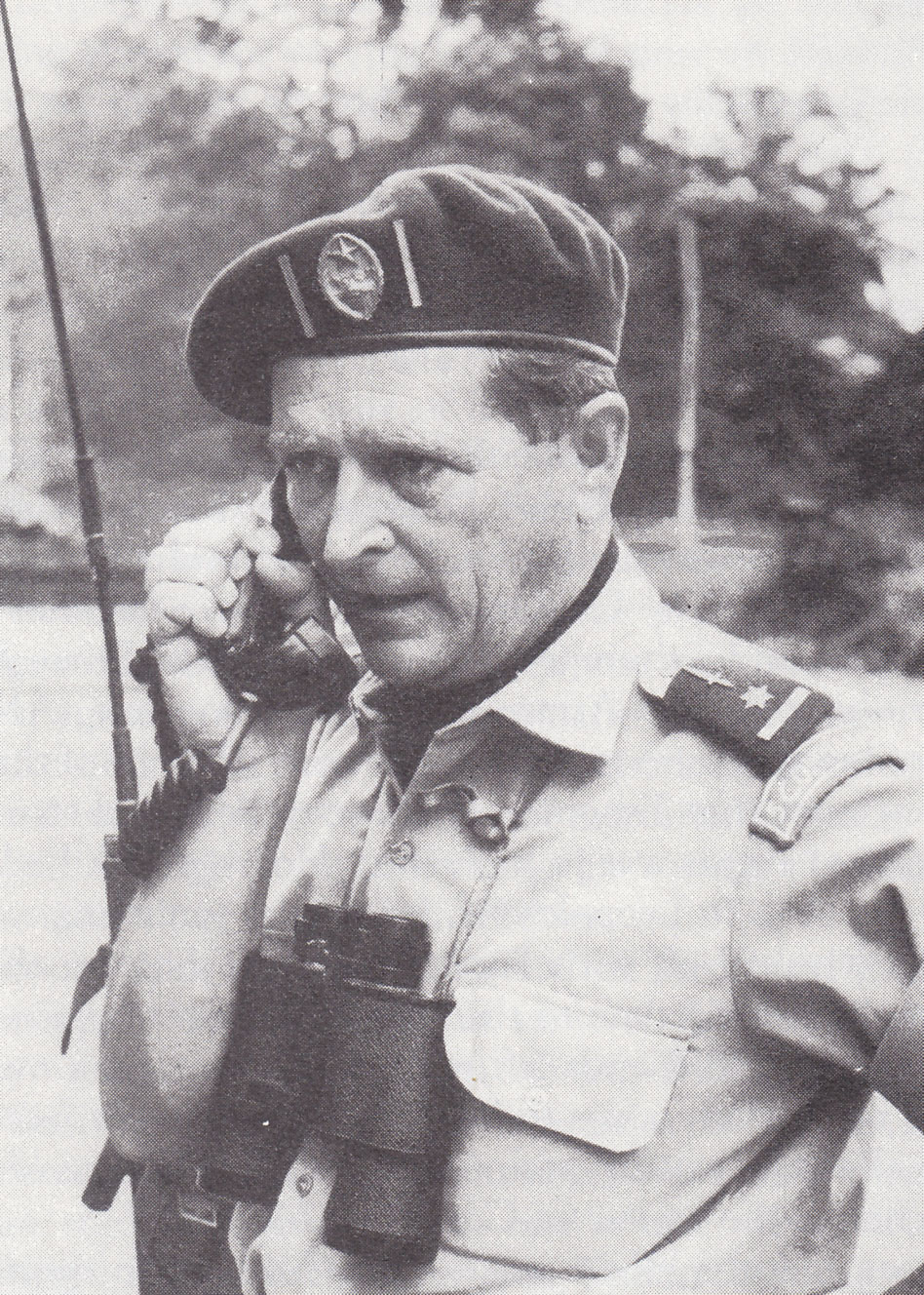 |
Hoare Mike |
17.03.19 |
Calcutta |
India |
1964 |
July
1964 Maj. / Commander. 26th Dec 1964 leaves the Congo. 16th Jan 1965
Lt.-Colonel Commander of 5 Cdo. 9th Dec 1965 leaves the Congo. |
Hobbins Barry |
.1937
|
. |
Canada.
|
1964/65
|
Sept 1964 served in 52 Cdo. under 2/Lt. Gary Wilson. Feb 1965 Lt. / Chief of 55 Cdo. Aug 1965 Capt. |
|
Hodges |
S. Africa |
1964 |
Sept
1964. Nov 1964 steals $65000.00 from a box in a private home in
Stanleyville. Takes sick leave and leaves the Congo with all the money. |
|||
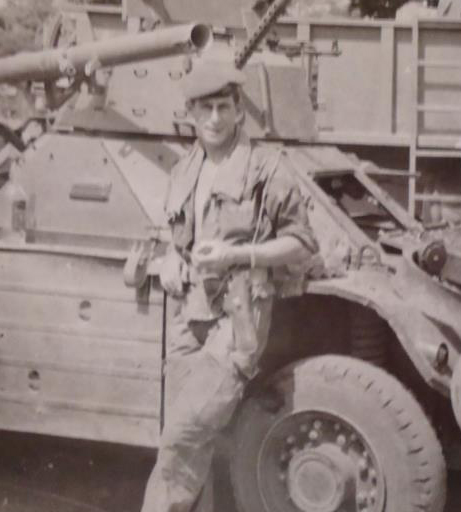 |
Hoek J. Van-Der |
1965 |
5 Cdo. |
|||
Hogan Graham |
.
|
. |
.
|
1964
|
9th Nov 1964 Lt. / Commander of 51 Cdo. 17th Aug 1965 killed in ambush near Bendera. |
|
Holtshauseni C. W. |
||||||
Holy Joe |
1964 |
Sept 1964. |
||||
Horn G. P. J. |
||||||
Horn N. L. |
||||||
Horner J. E. |
||||||
Hotchkiss H. R. |
||||||
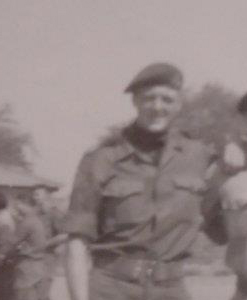 |
Houldsworth Bob |
17.05.40 |
Manchester |
British |
||
Howard Willis |
.
|
. |
.
|
1964
|
Sept 1964. Served in 53 Cdo. under Lt. Jack Maiden. 28th Oct 1964 killed and buried at Buteembo. |
|
Howells I. N. |
||||||
Howie A. B. |
||||||
Hoy |
.
|
. |
.
|
1964
|
Sgt. in 'Force Oscar' under Capt. Hugh van Oppen. 16th Oct 1965 wounded in the thigh at Kasimia. |
|
Hunt Eaton de la |
1965 |
|||||
Hyden J. R. |
||||||
Jacqmain Maurice |
Belgium |
1964 |
Aug 1964. Wounded at Albertville. |
|||
James J. |
1965 |
Lt. in 'Force Oscar' under Capt. Hugh van Oppen. |
||||
Jenkins B. W. |
||||||
Johnstone Peter |
.
|
. |
British
|
1964
|
Feb 1965 Capt. Mar 1965 Maj. / O.C. Base. Aug 1965 Maj. / Commander of 2. Battalion of 5 Cdo. |
|
Joubert Gerry |
.
|
. |
.
|
1964
|
1964 Sgt. 1965 Lt. in 52 Cdo. 26th Mar 1965 Lt.t / Commander of 52 Cdo. 24th May killed between Niangara and Poko. |
|
Kaiser Otto |
1966 |
2/Lt. under Col Lt. John Peters. |
||||
Karavidas Georges |
Greece |
1964 |
Aug 1964. wounded in Albertville. |
|||
Kennedy |
1965 |
Served in 'Force Oscar' under Capt. Hugh van Oppen. |
||||
Kenny Donald 'Don' |
1936 |
Yorkshire |
England |
1964/65 |
5 Cdo. |
|
Killen J. Georgie |
.
|
. |
.
|
1965
|
Served in 54 Cdo. 15th Mar 1965 killed at Nioka. |
|
Killian G. A. |
1965 |
|||||
King Sandeman 'Sandy' |
.
|
UK
|
.1964
|
Dec 1964 Sgt. May 1965 killed at Niangara. |
||
Kinnear Dr |
Doctor |
|||||
Kirk |
.
|
. |
.
|
1964
|
. |
|
Kirton Pat |
.
|
. |
S. Africa
|
1964
|
21st
Aug 1964 Lt.. Sept 1964 Lt. in 55 Cdo. 8th Nov 1964 blinded by flying
glass during a fight by the Elila Bridge, and left the Congo. |
|
Kleiman D. R. C. |
||||||
Kock de |
1965 |
Served in 'Force Oscar' under Capt. Hugh van Oppen. |
||||
Köhler Berndard |
E.Germany |
1964 |
21st Aug 1964. Served under Siegfried Müller. 29th Aug 1964 killed in Albertville, during his first patrol. |
|||
Kotterittsch Fritz |
1935 |
German |
1964 |
Served in 52 Cdo. Killed 19th Sept 1964. |
||
Koukoulis |
Greece |
1965 |
In Force Oscar. |
|||
Krahl Georg |
1930 |
Troppau |
German |
1964/65 |
1964 served in 52 Cdo.. 1965 Adjutant 5th Cdo |
|
Krumme Peter |
1964 |
Served in 52 Cdo. Killed 1964. |
||||
Kuyt A. J. |
||||||
Kyriakis |
Greece |
1965 |
Sept 1965. Drowned at Baraka. |
|||
Labuschagne W. J. |
1965 |
Sgt. Served in 'Force Oscar' under Capt. Hugh van Oppen |
||||
Lang |
1965 |
Sgt. 23rd Mar 1965 Wounded at Golu. |
||||
Lannigan Y. M. |
||||||
Larson Roy |
.
|
. |
Swedish
|
1964
|
Dec
1964 Lt. on the 26th Dec 1964 Lt. / Commander of 57 Cdo. Mar 1965 Capt.
/ Commander of 57 & 58 Cdo. 29th May 1965 became sick and left the
Congo. |
|
Latinis Armand Francois |
Belgium |
1964 |
21st Aug 1964 Lt. 31st Aug Lt. / Commander of independent group in Kapona. 30th Sep 1964 Lieutenant in 61 Cdo. |
|||
Latz John |
.
|
. |
British
|
1964
|
Captain |
|
Laubscher H. J. |
||||||
Lavocah D. H. |
||||||
Laubscher H. P. |
||||||
Laws C. L. |
||||||
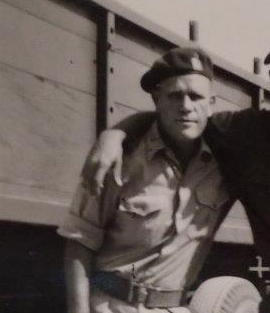 |
Lee A. |
1965 |
5 Cdo. |
|||
Lee B. K. |
||||||
Le Brec R. |
||||||
Linde Duck van der |
Durban |
S.Africa |
53 Cdo. |
|||
Lindenburg |
1965 |
Served in ' Force Oscar' under Capt. High van Oppen. |
||||
Linton |
Salisbury |
Rhodesia |
1964 |
Served in 53 Cdo. under lt. Jack Maiden. Dec 1964 was killed at Niopka. |
||
Locock K. C. |
||||||
Lombard J. M. |
||||||
Loots P. J. |
||||||
Lord Dougie |
.
|
. |
British
|
1964
|
. |
|
Lotz |
.
|
. |
.
|
1964
|
Served in 53 Cdo. 23rd Sep 1964 was wounded and paralysed for 14 months. |
|
Lourens I. E. |
||||||
Louw Ben |
.
|
. |
Rhodesian
|
1964/65
|
8th Sept 1964 Lt. of 52 Cdo.12th Oct 1964 Lt. / Head of 52 Cdo |
|
Lucien-Brun Maurice (alias Paul Leroy) |
.
|
. |
French
|
1965
|
Feb
1965. Lt. / Commander of 53 Cdo. 24th Mar 1965 wounded over the right
eye. 31st May 1965 Lt. / Commander of 54 Cdo. / District Commissioner
in Niangara. Dec 1965 refused to serve with John Peters. Left 5 Cdo and
joined 6 Cdo. |
|
Lumsden Harry |
||||||
Macaulay |
1965 |
2/Lt. Served in 'Force Oscar' under Capt. Hugh van Oppen. |
||||
Maclagan |
1965 |
Served in 'Force Oscar' under Capt. Hugh van Oppen. |
||||
Madden |
.
|
. |
.
|
1965
|
Served in 'Force Oscar' under Capt. Hugh van Oppen. 28th Sep 1965 killed at Baraka |
|
Madela David |
1965 |
Served in 'Force Oscar' under Capt. Hugh van Oppen. |
||||
Mahei |
Italian |
1964/65 |
Served in 52 Cdo |
|||
Macey C. S. |
||||||
Macleod W. |
||||||
Maiden Jack |
31.11.19 |
S. Africa |
1964 |
Sept
1964 Lt. / Commander of 53 Cdo. 26th Dec 1964 Capt. / Deputy of 5 Cdo.
Feb 1964 Capt. / Commander of 56 Cdo. March 1965 Capt. / District
Commissioner in Dungu. 10th May 1965 Capt. / District Commissioner in
Niangara. 1st June 1965 Capt. / Acting Commander in 5 Cdo. July 1965
Left the Congo. |
||
Mandy George John |
S. Africa |
1956 |
Feb 1965. |
|||
Manning J. |
||||||
Manning K. |
||||||
Mansfield |
.
|
. |
.
|
1964
|
Sgt in 'Force John' under Commander John Peters. 20th Oct 1965 killed at Kawumbwe. |
|
Marais B. J. |
||||||
Masy Charles |
1925
|
. |
Belgium
|
1965
|
21st Aug 1965 Lt. / Supply Officer. 9th Sep 1964 Lt. in 52 Cdo. under Capt. Siegfried Muller. Feb 1965 Lt. in 6 Cdo. |
|
May D. |
||||||
May Michael |
1964 |
21st Aug 1964. 6th Sept 1964 served in 51 Cdo. under 2/Lt. Gary Wilson. 13th Sept 1964 wounded at Lisala. |
||||
McCabe Edward Brian |
.
|
. |
S. African
|
1965
|
Fought in 2 of 4 campaigns |
|
McCann L. P. K. |
||||||
McDermott M. J. |
||||||
McDermott P. S. |
||||||
McDonald |
1965 |
Served in 'Force Oscar' under Capt. Hugh van Oppen. |
||||
McGrath M. |
||||||
McIntosh John Stuart |
1919 |
UK |
S. African |
1964 |
21st
Aug 1964 Lt. / Staff Officer of 5 Cdo. Group Headquarters in Kamina.
11th Oct 1964 deserted during a stay in the capital Leopldville, via
the British Embassy in the Congo, and returned to England. |
|
McKenzie H. |
||||||
McKenzie W. |
||||||
McManus A. |
||||||
McRory Mark |
1938 |
Austin/Tex |
USA |
1965 |
Lt. / Chief 57 Cdo. | |
Menzies |
.
|
. |
.
|
1964
|
27th Nov 1964 wounded at Stanleyville. |
|
Meizeli J. |
||||||
Merkle D. P. D. |
||||||
Meyer Jacobus Marnus 'Jake' |
S.Africa |
1964 |
Sgt. Mar 1965 2/Lt. Aug 1965 Lt. 1966 Committed Suicide in South Africa. |
|||
Michell G. S. |
||||||
Mills Fin |
1964 |
Sept 1964 Radio Operator. |
||||
Mills Paul |
.
|
. |
.
|
1964/65
|
A member of Major Hoare's staff. |
|
Minsk |
.
|
. |
German
|
.
|
Served in 5th Commando |
|
 |
Moggach Gerry |
Scotish |
Served in 53 Cdo. |
|||
Moneta Tullio |
||||||
Moore S. L. |
1939 |
Yugoslavia |
S.Africa |
1964/65 |
Cook |
|
Morgan |
British |
1964/65 |
Sergeant in 52 Cdo |
|||
Morgenster Jethro Q. 'Jet' |
USA |
1964 |
Sept 1964 Sgt. Mar 1965 2/Lt. Aug 1965 Lt. 10th Oct 1965 killed at Fizi. |
|||
Morse |
1965 |
Served with 'Force Oscar' under Capt. Hugh van Oppen. |
||||
Mulholland
R. |
1965 |
|||||
Myers |
Doctor |
|||||
Nash C. |
||||||
Nassy |
1965 |
2/Lt. in 'Force Oscar' under Capt. Hugh van Oppen. |
||||
Naylor |
1965 |
Served in 'Force Oscar' under Capt. Hugh van Oppen. |
||||
Neill P. O. |
||||||
Nel B. R. |
||||||
Nestler Walter |
.
|
. |
Germany
|
1964
|
21st Aug 1964. 29th Aug 1964 killed on Major Hoare’s 1st patrol at Albertville. |
|
Newman D. (Dallas?) |
1965 |
Mar 1965 served in 52 Cdo. |
||||
Nodes G. V. |
||||||
Nolte |
1965 |
17 Aug 1965 killed at Bendera. |
||||
North J. |
||||||
Northedge Clifford Alan |
. |
. |
. |
. |
. |
|
Nuttal N. P. J. |
||||||
Ockers C. J. |
1965 |
Served
in 'Force Oscar' under Capt. Hugh van Oppen. |
||||
Oglethorpe Vic |
.
|
. |
.
|
.
|
. |
|
Oliver C. H. |
||||||
O’Malley Patrick |
.
|
. |
.
|
.
|
Recruiter For Tshombe and 5 Cdo. |
|
Ordway N. A. |
||||||
Oosthuizen S. J. |
||||||
Oosthuizen W. J. |
||||||
Osthuizen |
.
|
. |
.
|
1964
|
killed in an ambush at Kindu |
|
Otto |
Served
in 'Force Oscar' under Capt. Hugh van Oppen. |
|||||
Owen R. C. |
||||||
Pahl I. J. |
||||||
Palas Sofoklis |
1964 |
Aug 1964 wounded at Albertville. |
||||
Parkinson |
Lanc's |
UK |
1964 |
Sept 1964 Sgt in 51 Cdo. under Lt. Gary Wilson. |
||
Patience |
1964 |
Served in 56 Cdo. under Lt. Jeremy Spencer. |
||||
Patterson John G |
.
|
.Durban |
S. African
|
1965
|
Feb 1965 Sgt / Radioman in 53 Cdo under Lt. Maurice Lucien-Brun. |
|
Peasey W. F. |
||||||
Peckett C.J. |
||||||
Peddle |
.
|
. |
.
|
1964
|
Sgt. |
|
Peters John |
1922
|
Leeds |
British
|
1964
|
Sept. 1964 Sgt in 57 Commando under Capt. Ian Gordon. |
|
Petersen |
.
|
. |
Danish ?.
|
1965
|
Feb 1965 Medic. 26th Mar 1965 wounded in hand. Oct 1965 Lt. in 'Force Oscar' |
|
Pickford T. A. |
||||||
Pietersen W. J. |
||||||
Pike |
1965 |
Served in 'Oscar Force'. |
||||
Pocock E. |
||||||
Potgieter P. |
||||||
Powell A. R. T. |
||||||
Preez Du V. |
||||||
Pretroius |
S.Africa |
1965 |
5 Cdo. |
|||
Priefeat Kurt |
.
|
. |
German
|
.
|
. |
|
Proetti Alfredo |
.
|
. |
.
|
1964
|
55 Cdo |
|
Pye Klim |
53 Cdo. |
|||||
Rademeyer |
.
|
. |
.
|
1965
|
17th Aug 1965 was killed in action near Bendera |
|
Rall |
.
|
. |
.
|
1965
|
28th Sept 1965 killed in action at Baraka. |
|
Rampono Manny |
.
|
. |
S.African
|
1964
|
. |
|
Randall Steeve |
S.Africa |
1964 |
||||
Regazzi Mario |
23.10.35 |
Sondrio |
Italy |
21st Aug 1964. 29th Aug 1964 wounded near Albertville. |
||
Richter R. |
1965 |
Served with 'Force Oscar' under Capt. Hugh van Oppen. |
||||
Richter-Nel Hendrik nickname Utar-Nel |
German |
1964 |
Served in 52 Cdo. 2nd Oct 1964 Killed at Bikili. |
|||
Ries J. H. |
1965 |
. |
||||
Rivers D. J. |
||||||
Roberts |
.
|
. |
.
|
1964
|
Feb 1965 Sgt. |
|
Roberts A. |
1964 |
Sept 1964. Jan 1965 killed in action near Niangara. |
||||
Roets |
.
|
. |
Kenyan
|
1964
|
Sept 1964. Served in 57 Cdo. under Capt. Ian Gordon. |
|
Rohwein Peter |
Rhodesia |
1965/66 |
Served in 'Force Oscar' under Capt. Hugh van Oppen. |
|||
Roose |
1965 |
Served in 'Force Oscar' under Capt. Hugh van Oppen. |
||||
Rosie A. C. |
||||||
Rossi A. |
||||||
Ross-Johnson |
.
|
. |
.
|
1965
|
May
1966 Lieutenant at the time when Hugh van Oppen was killed by a
mercenary. Many things point at Ross-Johnson as being the killer. |
|
Ross-Smith Peter |
.
|
. |
.
|
1964
|
1964 Sgt. 1965 Made up to Lieutenant. |
|
Rowe |
1965 |
Served in 'Force Oscar under Hugh van Oppen. |
||||
Rudolph |
1965 |
Served in 'Force Oscar under Hugh van Oppen. |
||||
 |
Ryn H. Van |
1965 |
5 Cdo. |
|||
Sachs Jerry |
Israel |
53 Cdo. |
||||
Saeys Joe |
Belgium |
1965 |
Lt. / Radiooperator. |
|||
Sarsfield Patrick |
1940 |
Ireland |
1965 |
Aug 1965. 28th Sept 1965 wounded in action at Baraka. 14th Oct he died. |
||
Scheepers Jacobus |
S. Africa |
1965 |
||||
Schindler Wilfied |
Fribourg |
German |
53 Cdo. |
|||
Schmitt Fritz |
German |
1964/65 |
Served in 52 Cdo |
|||
Schricker |
S. African |
1964/65 |
Lt. 52 Cdo |
|||
 |
Schoeman Boet |
Kenya |
1964 |
Served in 57 Cdo. under Capt. Ian Gordon. |
||
 |
1940
|
. |
S. Africa
|
1964
|
Sept 1964 2/Lieutenant / deputy in 53 Commando under Capt. Maiden. 17th Sept 1964 Lieutenant in 53. Commando. 26 Dec 1964 Capt. / Commander of 53 Commando. February 1965 left the Congo and returned home to Johannesburg. 17th Aug 1965 Capt. 1966 Major / Deputy in 5 Commando under Lt. Col. John Peters. 26th Mar 1967 Lt. Col.l / Commander-in-chief of 5 Commando. April 1967 President, Gen.l Mobutu ordered the 5 Cdo closed down. 24th April1967 saw Schroeder as the last man to leave the Congo. |
|
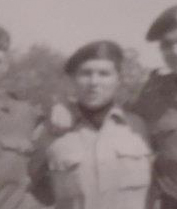 |
Schuller |
1965 |
5 Cdo. |
|||
Schurman |
1965 |
Served in 'Force Oscar under Capt. Hugh van Oppen. |
||||
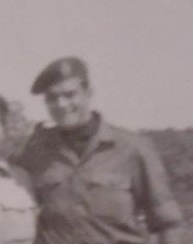 |
Selvester |
1965 |
5 Cdo. |
|||
Sheriff |
1966 |
Lt. / Recruitment Officer in Johannesburg. |
||||
Sherriff |
1964 |
Served in 57 Cdo. under Capt. Ian Gordon. |
||||
Shoesmith Samuel |
New York |
USA |
1965 |
Feb 1965 Sgt. |
||
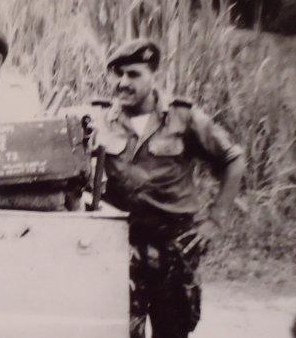 |
Scott Sam |
1965 |
5 Cdo. |
|||
Simpson S. |
1965 |
Aug 1965 Adj. in 'Oscar Force' under Capt. Hugh van oppen. |
||||
Smallberger |
S.Africa |
1965 |
Feb 1965. Served in 'Force John' under Capt. John Peters. April 1965 killed in action at Niangara. |
|||
Smallman R. Sammy |
.
|
. |
.
|
1964
|
1964 Sergeant. August 1965 Lt. in ”Force John” under Commandant John
Peters. 28th Sept 1965 Commander of ”Force John” when Commandant
John Peters was wounded. 20 Nov 1965 wounded by mine blasting accident.
22nd Nov 1965 he died. |
|
Smit Kobus |
53 Cdo. |
|||||
Smith |
1965 |
Feb 1965 Sgt in 'Force John' under Capt. John Peters. |
||||
Smith Ivan |
1964 |
51 Cdo. |
||||
Smith P. H. |
||||||
Snyman J. P. |
||||||
Spencer Jeremy |
UK |
1964 |
Sept 1964 Lt. / Commander of 56 Cdo.14th Nov 1964killed in action at the Elila Bridge. 1st Officer Killed in the 5 Cdo. |
|||
Sprechenhauser |
Germany |
1964 |
21st Aug 1964. |
|||
Springboks |
S.Africa |
1964 |
3rd Sept 1964. served in 51 Cdo under 2/Lt. Gary Wilson. |
|||
Stephens R. D. |
||||||
Stevens Alan |
.
|
. |
.Rhodesia
|
1964
|
Sept 1964 2/ Lt. in 56 cdo. under Lt. Jeremy Spencer. 14th Nov 1964 Lt. / Commander of 56 Cdo. when Spencer was killed. |
|
Stevens A. H. |
1965 |
Sgt. in 'Force John' under John Peters |
||||
Steyn A. |
||||||
Steyn S. |
||||||
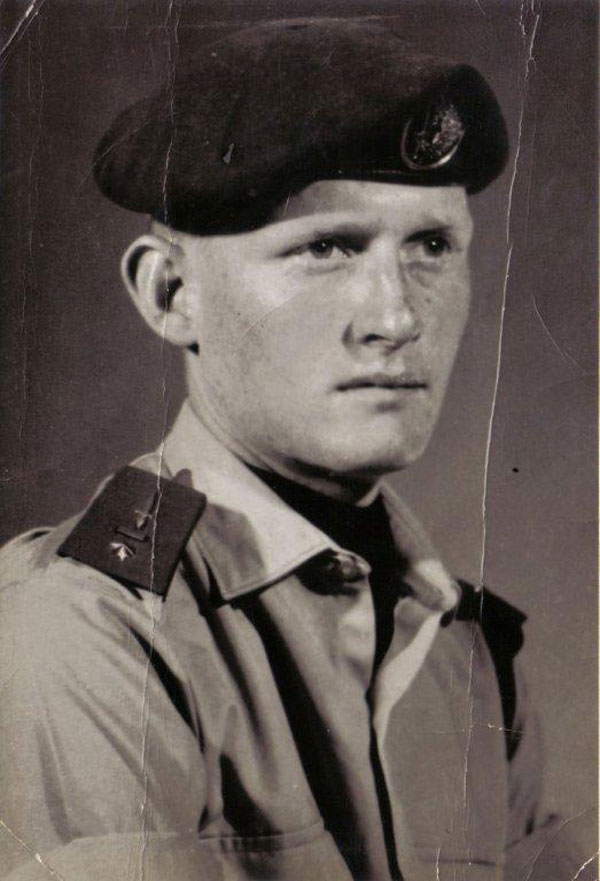 |
Stranack Barry | 1965/66 |
Sgt. Maj. in 5 Cdo. Albertville, Uvira, Bukavu, Shabunda, Paulis, Niangara, Dungu, Duru, Yakuluku etc. Promoted to Lt. Served with Skinny Coleman, Jimmy James, Maj Johnson, Col Hugh van Oppen, Lt Dick Hammond, Lt Bill Manning | |||
Stolz W. |
||||||
StrijdomM |
.
|
. |
S. African
|
1964
|
. |
|
Stubbe Pieter |
.
|
. |
German
|
1964
|
.Served in 57 Cdo under Capt. Ian Gordon. |
|
Sutherby I. A. |
||||||
Sutherby J. A. |
||||||
Swanepoel A. D. W. |
1965 |
Adjudant in 'Force Oscar' under Capt. Hugh van Oppen. |
||||
Swart G. J. M. |
||||||
Swart J. J. J. |
||||||
Swinton A. |
||||||
Stewart R. J. |
||||||
Sylvester |
.
|
. |
Greek
|
1964
|
. |
|
Tadford F. J.. |
||||||
 |
Thomas Norman |
1965 |
5 Cdo. |
|||
Thomas R. W. |
||||||
Thompson C. |
1965 |
Served in 'Force Oscar' under Capt. Hugh van Oppen. |
||||
Thompson Tommy |
1965 |
5 Cdo. |
||||
Tolkemit W. |
||||||
Topp T. R. |
||||||
Tozzi Gino |
.
|
. |
Italian
|
1964/65
|
Sgt. |
|
Townsend D. |
1964/65 |
Sergeant 52 Cdo |
||||
Trevelyan |
1944
|
. |
.
|
1964
|
. |
|
'Ugly' |
1935 |
Rhodesia |
1964 |
Sept 1964. Served in 51 Cdo under 2/Lt. Gary Wilson. |
||
Uhlarz Hans |
German |
1964/65 |
52 Cdo |
|||
Ulmer Allan |
1965 |
Served in 52 Cdo. Killed in action at Niangara. |
||||
Unger Derek |
Durban |
S. African |
53 Cdo. |
|||
Valentin F. J. J. |
||||||
Van de Hoek |
.
|
. |
Nederlands
|
1964
|
21st Aug 1964. |
|
Valot R. |
||||||
Van der Merwe P. J. W. |
||||||
Van der Merwe S. A. S. |
||||||
Van der Nielerk J. A. |
||||||
Van der Nielerk J. M. R. |
||||||
Van der Reijden J. |
||||||
 |
Van der Walt Piet | 1965-67 | Was in Force John John (5 Commando) when capturing Baraka and later selected for Force Falcon under Captain Liebenberg. He was there from 1965 until April 1967 when the Mercenaries contracts were suspended and After receiving a golden hand shake from Mabutu Sese Seko he returned home. PHOTOS | |||
Van der Westhuizen |
.
|
. |
S. African
|
1964
|
5th Commando Cook killed at Tshopo Bridge |
|
Van Grinsven J. A. |
||||||
Van Oppen Hugh |
26.08.31
|
. |
British
|
1964
|
June 1965 Lt. / Commander of 52 Cdo. August 1965 Capt /Commander of 52 Cdo. 25th Sept 1965 Capt / Commander of ”Force Oscar”. 1st Dec 1965 Capt / Deputy of 5 Cdo. December 1965 Commandant / Deputy of 5 Cdo. April 1966 Maj / Deputy of 5 Cdo. 18th May 1965 killed by another mercenary (lieutenant Ross-Johnstone?). |
|
Van Rooyen E. J. |
||||||
Van Wyk J. J. G. |
||||||
Van Wyk J. L. N. |
||||||
Van Zijl F. J. |
||||||
Varga J. G. |
||||||
Venter |
1965 |
Adj. in 'Force Oscar'. |
||||
Verschuren P. B. |
||||||
Viljoen |
S. Africa |
1965 |
||||
Von Blottnitz |
.
|
. |
German
|
1964
|
. |
|
Von Blottnitz Gerd |
1937 |
Berlin |
German |
1964/65 |
1964 Adj. 52 Cdo 1965 Adj. / paymaster 5 Cdo. |
|
Von Branis ( Brandis?) |
.
|
. |
.
|
1964
|
Feb 1965 Sgt in 56 Cdo. Killed in action. |
|
Von Lieres Hans |
.
|
. |
German
|
1964
|
Sept 1964 in 57 Cdo under Capt Ian Gordon. 24th Nov 1964 wounded in the
leg and behind one ear near Stanleyville. November 1964 evacuated to
hospital in Johannesburg. January 1965 working as 5 Cdo's recruiting
office in Johannesburg. February 1965 Lt. / Commander of 52 Cdo. 25th
Mar 1965 wounded in the underarm near Wawa. Evacuated to Johannesburg.
August 1965 Lt. again. 27th September 1965 Lt. / Commander of 6 Patrol
Boats. December 1965 killed in car-accident at Albertville |
|
Von Willkens Balt Joachim |
.
|
Baltic |
E. Germany.
|
1964
|
1964. 1965 served with 'Force Oscar' under Capt. Hugh van Oppen. |
|
Vorster J. B. |
||||||
Weeks |
S,African |
1965/66 |
Capt. |
|||
Weldhagen J. C. |
||||||
Weideman J. X. |
||||||
Wepener J. F. |
Rhodesia |
1964 |
3rd Sept 1964 Sgt in 51 Cdo under Lt. Gary Wilson. 26th Dec 1964 Lt. / Commander of 54 Cdo. Feb 1965 killed in action. |
|||
Wells Raebourn |
1964 |
Aug 1964. |
||||
Wettangel Heinz |
Austian |
1964 |
Served 52 Cdo and was Killed 1964. |
|||
Whall |
1965 |
Served with 'Force Oscar' under Capt. Hugh van Oppen. |
||||
Whitcomb |
1965 |
Adj. in 'Force Oscar' under Capt. Hugh van Oppen. |
||||
White C. J. |
||||||
White Reginald |
.
|
. |
..
|
1964
|
Feb 1965 Driver in 52 Cdo under Lt. Hans von Lieres. Killed in action at Wara. |
|
 |
Wicks Alistair |
.
|
. |
British
|
1964
|
4th
Sept 1964 Commandant / Deputy in 5 Cdo. 16th Jan 1965 Maj. / Deputy in
5 Cdo. 12th Dec 1965 left the Congo and went to Rhodesia. Also a
Military Advisorto Tshombe. April 1978 died after a short illness. |
Williams A. |
||||||
 |
Williams "Taffy" |
.
|
Wales |
British
|
.1965
|
Adj. in 'Force Oscar' under Capt. Hugh van Oppen. |
Willaims L.H. Mike |
. |
American
|
.
|
USA forced him to leave |
||
Wilson Gary |
.1940
|
. |
UK
|
.
|
3rd Sept 1964 2/Lt. / Commander of 51 Cdo. 8th Nov 1964 wounded and lost a finger then left the Congo. |
|
Wright Paul |
53 Cdo. |
|||||
Young |
..
|
. |
.
|
.1964
|
3rd Sept 1964. Served in 51 Cdo under 2/Lt. Gary Wilson. 15th Sept 1964 Killed near Lisala. |
|
Zeminides |
||||||
.. |
.
|
. |
.
|
.
|
. |
................................................................................................
9 Commando 1964
11 Mercenaries, 100 volunteer Shakandi Baluba tribesmen and one Battalion of the Congo Army
Lead by Lt. Charles Gardien
Surnane |
Date of Birth |
Place |
Country |
Served
|
Extra Details |
|
| Dufresne | Liege | Belgium | 1964 | Adj. | ||
| Galinos Paul | Rhodesia | Greece | 1964 | Lt. 20th Nov 1964 killed at Pena-Lunanga. | ||
| Gardien Charles | Belgium | 1964 | Lt. / Commander of 9 Cdo. | |||
| Germani Hans | 1931 | Austria | 1964 | 2nd Nov 1964 Lt. / doctor. 26th Nov 1964 transferred to 5 Cdo in Stanleyville. Ied in 1983 in Johannesburg. | ||
| Grouwe Leon de | Belgium | 1964 | Dec 1964 Lt. Feb 1965 killed in action. | |||
| Hendriks Marcel | Belgium | 1964 | 18th Nov 1964 killed at kabambare. | |||
| Hudovernik Ingo | Kapfenberg | Austria | 1964 | 1965 Lt. but is killed soon after promotion. | ||
| Jungels | Arion | Luxembourg | 1964 | |||
| Lambrette Edward | 1938 | Katanga | Belgium | 1964 | ||
| Protin Andre | Belgium | 1964 | Maj. 20th Nov 1964 wounded in the leg at Penta-Lunanga. 13th Nov 1964 evacuated by helicopter. 1965 returned to service again in the Congo, serving in the General Staff's Legal Department in the Capital Leopoldville. 27th Nov 1965 along with Col. Lamouline they were accused of being the ringleaders behind a planned coup against President Mobuto. Both men were shown the door and ordered to leave the Congo within 24 hours. | |||
| Verwaeke Jacky | Belgium | 1964 | Capt. 21st Nov 1964 Capt. / Commander of 9 Cdo when Maj. Protin gets wounded. Dec 1964 replaced as Commander by Lt. Gardien. | |||
| Vida Zolton | Hungary | 1964 | Lt. | |||
................................................................................................
The Mercenary Revolt 1967
5th July 1967 to 9th August 1967
5 Mechanized Brigade
Lieutenant Colonel Bob Denard (5th July 1967 wounded, 8th July 1967 evacuated to Lusaka )
6. Commando
1 Company Major Karl Couke (killed 1st August 1967) – stationed in Lebo
2 Company Captain Christian Laboudigue – stationed in Stanleyville
3 Company Major Hubert Pinaton – stationed in Panga
4 Company Captain Faugere – (11th July 1967 wounded and evacuated to Angola) – stationed in Aketi.
5 Company Major Robert ”Bob” Noddyn - stationed in Uvira10 Commando
Lieutenant Colonel Jean Schramme
1 Company Captain Norman ”Gino” Denol (killed 1st August 1967) – attack Stanleyville.
2 Company Captain Michel Hendricks (killed 6th July 1967) - attack Kindu.
3 Company Captain Roger Noel – attacked Bukavu.From 9th August 1967 to 5th November 1967
Commander-in-Chief, Lieutenant Colonel Jean Schramme
Staff-Company .Major/deputy Gilbert Martin
1 Company Lieutenant Bernard Oplipido
2 Company Captain Christian Laboudigue
3 Company Captain Roger Noel
4 Company 9th August 1967 to 14th August 1967 Major Hubert Pinaton – leaves Bukavu.
........August 1967 ..............................................Lieutenant Paulus – fired; October 67 killed.
.......August to October 1967 ............................Lieutenant Georges Serren-Rosso – hid in Bukavu.
........October to 30th October 1967 ...................Lieutenant Guy Leleup – killed 30th October 1967
.......30th October 1967 to 5th November 1967 Lieutenant Jean Michel DesblesMercanaries involved in the Rebellion Coming
Colonel Schramme is reported to have said during November 1967, that when the Mercenaries left Bukavu town and walked across the bridge into Rwanda: 'This is the end. On the 5th July we were180, and now we are123'.
Here are 173 of those volunteers
Alain Henri France 1967 Adjudant in 10 Cdo. Annon France 1967 Adjudant in 6 Cdo. Augereau Alain France 1967 Balstra Ricaide Italy 1967 Bastide Ferdinand France 1967 Baur Yvan France 1967 Belaporte or Delaporte Henri Belgium 1967 Biauni Rene France 1967 Lt. / Intelligence Officer in 6 Cdo. Billois P. ( Cosmas Dubbois) France 1967 Lt. in 6 Cdo. Bleuken Ver Belgium 1967 4th Nov 1967 in action seriously wounded in the neck and one leg. Evacuated to Rwanda. Probably sent home to Belgium from the hospital. Blin or Blain Jean Claude Belgium 1967 Adjudant in 6 Cdo. Bortolletti Gianvitterie Italy 1967 Body Guard for Lt. Col. Denard. Botanelio Roberto Italy 1967 Citizen in Bukau. 25th March 1967 wounded. If he cant stay in Rwanda he will be sent home to Italy. Bracco Roger 1934 Belgium 1967 His family lived in Rwanda. 10th August 1967 flying as a pilot from Angola in a small plane he landed in lake Kiva at Bukavu. Brodure Jacques Belgium 1967 Burnet Jacques France 1967 6 Cdo. Burton Ronald S. Africa 1967 10 Cdo. Caregnato Sandro Italy 1967 10 Cdo. 7th July 1967 was killed in action at Kindu. Carotti Franco 1944 Italy 1967 Charles Belgium 1967 10 Cdo. 5th July 1967 killed in action at Camp Ketele in Stanleyville. Chaume Belgium 1967 Chiesa Carlo France 1967 Christian 1920 Belgium 1967 Adjudant in 10 Cdo. 5th July 1967 killed in action at Camp Ketele in Stanleyville. Codier Jacques Martin France 1967 2/Lt. in 6 Cdo. 29th October 1967 killed in action at Bukavu Cotnelius Raymond Belgium 1967 Couke Karl 1942 Belgium 1967 Major in 6 Cdo. 1st August 1967 killed in action at Itebero on the way to Bukavu. Debras Gulles Belgium 1967 Dehaere Freddy Johnny Whiskey Belgium 1967 Bartender in 10 Cdo. 4th November 1967 killed at Bukavu. Demange Jean Louis France 1967 Sgt/Radio operator in 6 Cdo. 8th July 1967 followed Lt. Col. Denard to Lusaka. Denard Robert 'Bob' 07.04.29 Bordeaux France 1967 Lt. Col. / Commander in Chief of 6 Cdo. 5th July 1967 wounded in action in Stanleyville. 8th July 1967 evacuated to Lasaka Rhodesia by air. Denul Norman 'Gino' 1939 Belgium 1967 Captain in 10 Cdo. 1st August 1967 killed in action at Itebero on the way to Bukavu. Denys 1967 29th October 1967 wounded in action at Bukavu. 4th November 1967 evacuated to Rwanda. Was probably sent home to Belgium direct from the hospital. Desbles Jean Michel France 1967 Lt. Arrived in Bukavu in August 1967. Dessy louis Belgium 1967 10 Cdo. 6th July 1967 killed in action in Kindu. Deville Belgium 1967 Lt. / Radio in 10 Cdo. 9th August 1967 deserted to Rwanda. Dewitte Medard Belgium 1967 D'hont Henri 'Henry' Belgium 1967 Medical orderly in 10 Cdo. Drean Jean France 1967 Drehant 1967 1st November deserted to Rwanda. Dubrus Leon Belgium 1967 Envangelos Mitralos Greece 1967 Faugere France 1967 Captain in 6 Cdo. 11th July 1967 wounded in action at the airport in Stanleyville. Evacuated to Angola by air. Fieves (Fieves) Eugene France 1967 Lt. in 6 Cdo. Fonsecsovr Antonio Portugal 1967 Fonty August Belgium 1967 Frazel Lacques Belgium 1967 10 Cdo. Lived in Cyangugu in Rwanda with wife and children. Gay Alexander 1940 Glasgow Scotland 1967 Georges Lammers Belgium 1967 Gerardini Alain Frankrig 1967 Sgt. in 6 Cdo. 5th July 1967 killed in action at Stanleyville. Gianelly Guy France 1967 Gibson Allan Rhodesia 1967 10 Cdo. Brother of Dennis Gibson. 7th July 1967 killed in action at Kindu. Gibson Dennis Rhodesia 1967 10Cdo. Brother of Allan Gibson. 7th July 1967 Killed in action at Kindu Girarday Alain Frankrig 1967 6 Cdo. 1st August 1967 killed in action at Itebero. Gongalves Marie Rosindo Porugal 1967 29th October 1967 wounded in action at bukavu. Gore Duncan British 1967 10 Cdo. Gorissen 1967 Grenier Gabriel 1917 France 1967 Captain / Doctor in 6 Cdo. Hachon Hubert France 1967 Haeseler Jacques Belgium 1967 Hendrick Clement Belgium 1967 Hendrick Michel Belgium 1967 Captain 10 Cdo. 6th July 1967 killed in action at Kindu. Hermann Fnu Belgium 1967 Hinden Max Schweiz 1967 Houeyt Georges Belgium 1967 Houillet Henry 1917 Belgium 1967 Adujdant in 10 Cdo. 29th October 1967 wounded in the arm in action. 4th November 1967 evacuated to Rwanda.Probable sent home to Belgium. Hull Peter Anthony England 1967 10 Cdo. Jacquemin 1967 Jopart Camille Belgium 1967 6 Cdo. Kampenners Paul Belgium 1967 Karanicols Anglis Greece 1967 Kingston John Rhodesia 1967 10 Cdo. 7th July 1967 killed in action at Kindu. Lavalard Jean Claude France 1967 6 Cdo. Laboudigue Christain France 1967 Captain in 6 Cdo. Leduc Robert Belgium 1967 6 Cdo. Lejeune Lucien France 1967 Sgt. Major in 6 Cdo. Leleup Gay 1943 Belgium 1967 Lt. 30th October killed in action at Bukavu. Leva fario Italy 1967 L'Horst Robert Belgium 1967 Libert Leon (Lieberg-Lipert) Belguim 1967 Pilot. 28th August 1967 arrives in Bukavu in a DC-3 with ammunition. Libert Emile Belgium 1967 Lopez Maurice Portugal 1967 Louwye Marcel Belgium 1967 Married to Marie and Father to Marika. Mercenary / Accounting Officer in 10 Cdo. Louwye Marie Joses Belgium 1967 Married to Marcel & Mother to Marika - 3 years. Followed her husband to Bukavu. 9th August 1967 Adjudant / chief in the governors house in Bukavu. Maccari Albq Italy 1967 Macculun Hector Stanley S. Africa 1967 10 Cdo. Madriazi Rosato Italy 1967 Manasca Portugal 1967 6 Cdo. Mandy George John S.Africa 1967 10 Cdo. (Ex S.A.S. Soldier) Martin Gilbert 1907 France 1967 Captain in 6 Cdo. 9th August 1967 Major / Deputy in Bukavu. Martinez Jean Paul (Brono) France 1967 Lt. in 6 Cdo. Marucci Lucien Italy 1967 Mendez Portugal 1967 Lt. in 6 Cdo. Unkown what happened to him. Merier Anseleme Italy 1967 Michielsen Denmark 1967 6 Cdo. Unkown what happened to him. Minter Jean Pierre France 1967 Adjudant Mocho Franciso Santo Spain 1967 Moens Roger Belgium 1967 10 Cdo. Mora Giancarlo Italy 1967 Moreau Guy France 1967 Adjuant in 10 Cdo. 8th July 1967 wounded in action. Evacuated to Lusaka Rhodesia. Morel Jean Pierre Belgium 1967 Moyaux Alexis (Alex) Belgium 1967 Adjuant in 10 Cdo. Neoffitou Hercalis Greece 1967 Noddyn Robert 'Bob' 1929 Belgium 1967 Major in 6 Cdo. Noel Raymond 'Roger' 1934 Belgium 1967 Captain 10 Cdo. Earlier had lived in the Congo. Oblipido Bernard France 1967 Lt. in 10 Cdo. Otten Louis Belgium 1967 Adjudant in 10 Cdo. Panettieri Carnelo Italy 1967 Paulus Belgium 1967 Lt. in 6 Cdo. In October 1967 was killed by Serren-Rosso. Pepe (real name unkown) 1907 Belgium 1967 Former mechanic in Bukavu. 10Cdo. as their mechanic. Peraux Jean Francois Belgium 1967 Perbet Gerard France 1967 Perreira Jose Gomez Portugal 1967 Perrin Gerard France 1967 2nd/Lt. in 6 Cdo. Pierre Belgium 1967 6th July 1967 killed in action at Kindu. Pilpgis Pierre France 1967 2nd/Lt. in 10 Cdo. Pinaton Hubert Belgium 1967 Major in 6 Cdo. 14th August 1967 retired back to Belgium. Pir Michel France 1967 Radio Operator in 6 Cdo. Placidi Bruno Italy 1967 Pouillon Lue Belgium 1967 Pourteau-Jorissen J. R. 1967 Proudtchenko Herve France 1967 Puren Jeremiah Cornelius 27.08.24 Springs S. Africa 1967 Ex-Lt. Col. in the Congo Air Force. 10th August 1967 lands in Bulavu together with Captain Bracco. Pusetti Gian Italy 1967 Richard Max 1949 France 1967 Riffani Luigi Italy 1967 Robbyn Marc 1933 Belgium 1967 Lt. in 6 Cdo. Rodriques Roger 'Gus' (Neel) Bruxelles Belgium 1967 Adjudant in 10 Cdo. Rognant Jean Pierre France 1967 6 Cdo. Ronald Raymond Belgium 1967 Roses Roger Belgium 1967 Schmidt Karl 'Mini' Germany 1967 Adjudant in 6 Cdo. Schom Philippe France 1967 Schramme Jean 29.03.29 Brugge Belgium 1967 Lt. Col. / C-in-C of 10 Cdo. 7th July 1967 Lt. Col. / C-in-C of 6 and 10 Cdo. Sergonur Victor Belgium 1967 Seron Pascal Belgium 1967 Lt. 6 Cdo. August 1967 wounded in action on the way to Bukavu. Serren-Rosso Georges Belgium 1967 Adjudantin 6 Cdo. Was Lt. in Bukavu.during October 1967he kills Lt. Paulus and hides in the pilots villa in Bukavu. 4th November 1967 was smuggling the battalion treasure to Europe. Shoojans Christian Belgium 1967 Smemesh Josph Isreal 1967 Battalion hair dresser. Smets Jaques Belgium 1967 Symon Jacob Belgium 1967 Taylor Colin S. Africa 1967 10 Cdo. August 1967 killed in action at Bukavu. Rejon Amando Perez Spain 1967 Trevieur Breno Italy 1967 Van Bocholt Victor Belgium 1967 Captain in 10 Cdo. Ex Hotel owner in Walikale Congo. Van Campenhout Omer Belgium 1967 Van Den Dycke Roland Belgium 1967 6 Cdo. Van Rooyen Peter Rhodesia 1967 10 Cdo. Vandelewsky (Wendolowsky)Daniel France 1967 Lt. 6 Cdo. 4th November wounded in action in the neck and shoulder. Vandenberghe Jean-Pierre Belgium 1967 A Pilot, on 28th August 1967 arrived in Bukavu in a DC-3 with ammunition. Vanne Ronald Belgium 1967 Verstrepen Petrus Belgium 1967 2nd/Lt. in 6 cdo. Verwulgen daniel Belgium 1967 Van Der Veuken (Vecken) Pierre Belgium 1967 Lt. in 6 Cdo. 30th October 1967 killed in action at Bukavu. Voets Rene Belgium 1967 Vosseler Gunther Belgium 1967 12th September 1967 arrives in Bukavu via Rwanda. Voux Belgium 1967 6 Cdo. July 1967 killed in action. Weismann Karl Germany 1967 Zambon Itali Italy 1967 Adjudant in 6 Cdo. 30th October 1967 killed in action in Bukavu. This Data base is .© Copyright Terrance Aspinall 1990 All rights reserved
Source
Nigel Osborn. Frode Hansen. Ivan Beal. Victor Rosev. Barry Stanack. Munroe Swirsky. Edward Brian McCabe. Igor Potekhin.
'Les nouveaux mercenaires' by Siegfried Mueller
'Der “Kongo-Müller': Eine deutsche Söldnerkarriere by Christian Bunnenberg
'Congo Mercenary' by Mike Hoare
"L'Ommegang" by Col. E. P. Vandewalle
"White Soldiers in Black Africa" by Hans Germani